
Smoke damage from a neighbor's fire is common in twins, rowhomes, townhouses and condos, because smoke and firefighting water travel through shared walls, attics, basements and ceilings. Even if your unit looks fine, check the party wall, attic, closets and basement for soot, odor and moisture. Document everything, report it to your own insurer, and have the residue cleaned before it sets into paint and fabrics.
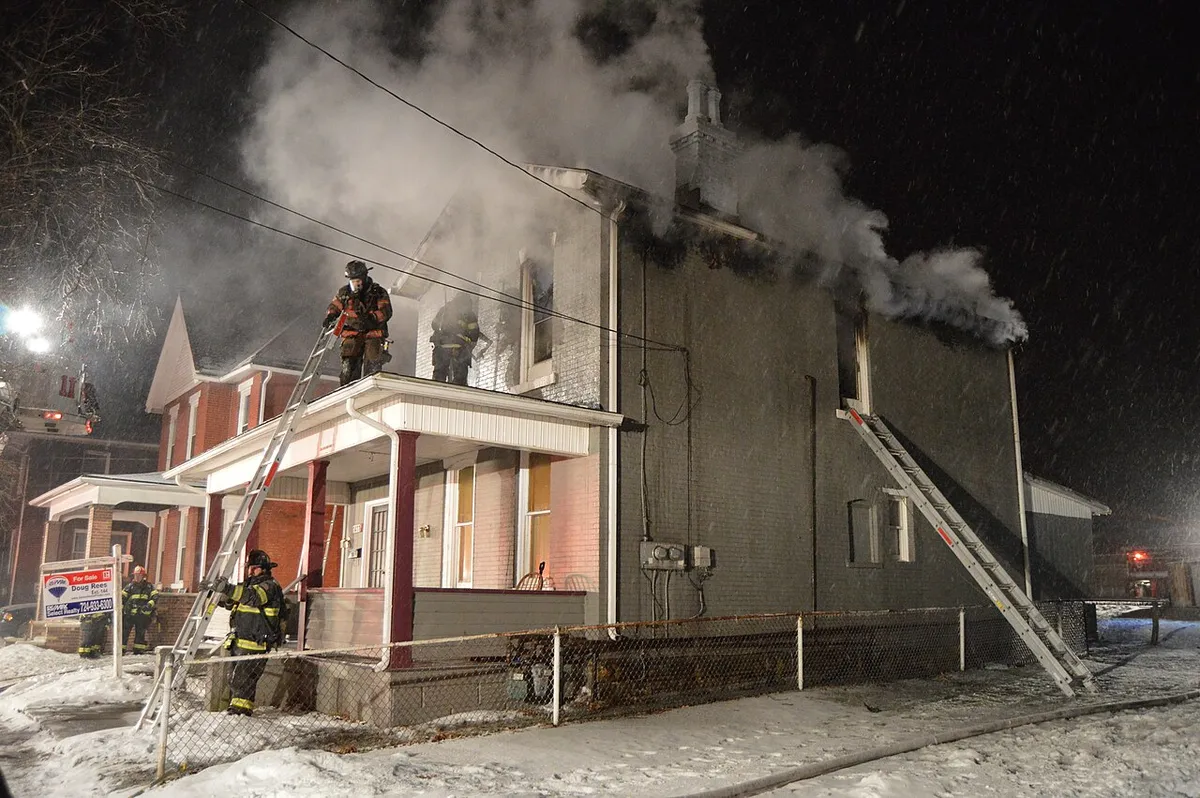
Phoenixville has older neighborhoods with attached homes and twins, plus newer townhome and condo buildings. When a fire happens on one side of a shared wall, the other side almost always has some damage. The question is how much.
How smoke reaches the house next door
- Shared attics. Many older rows and twins have attics that are open, or nearly open, across units.
- Party walls. Gaps around joists, pipes and wiring let smoke through.
- Basements and crawl spaces that connect or share openings.
- Plumbing and electrical chases.
- Shared roof and eaves.
- Ventilation. Smoke drawn in through exhaust fans, open windows and HVAC intakes.
- Firefighting operations. Water and ventilation during firefighting can push smoke and water into neighboring units.
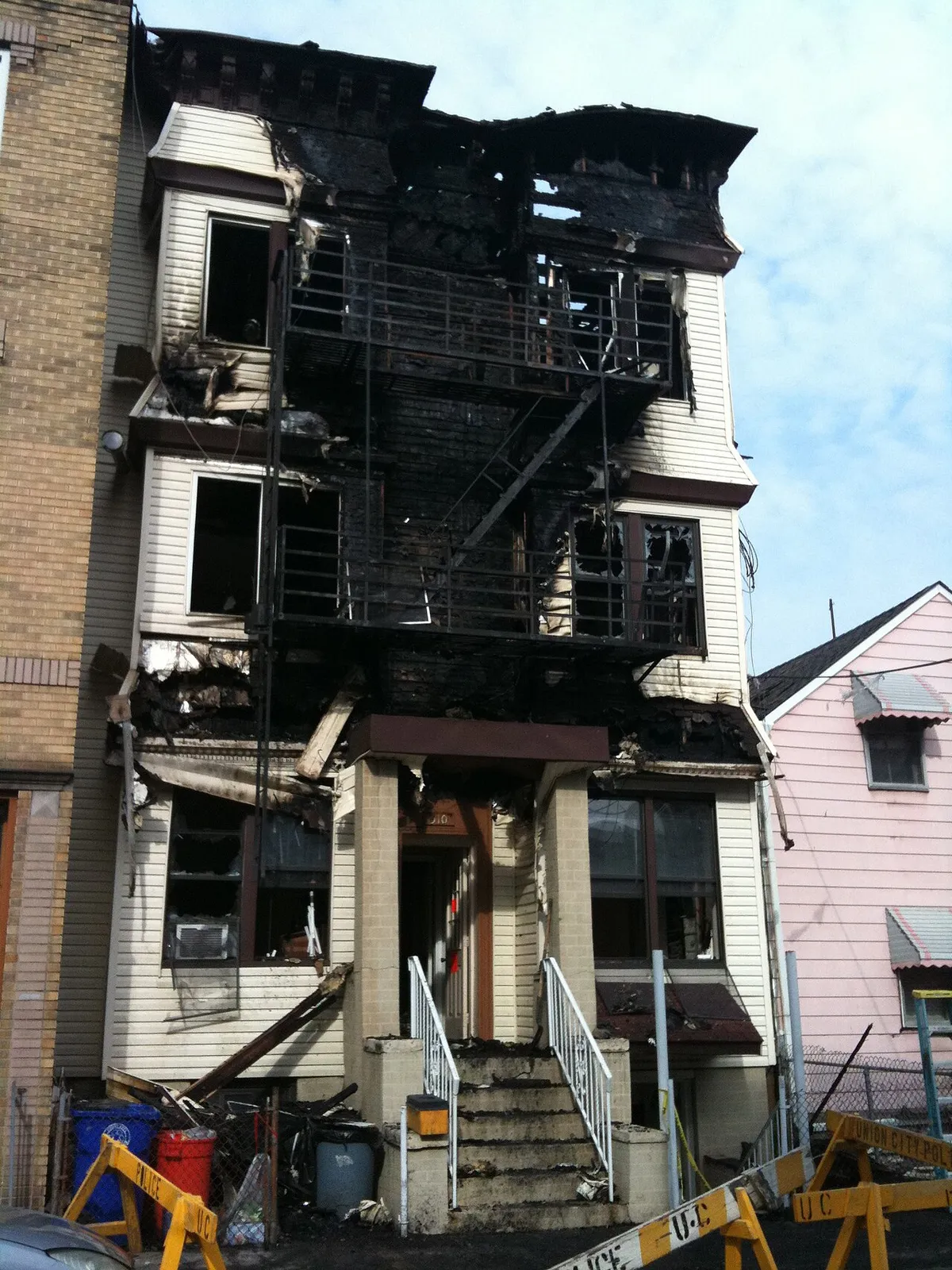
What to check in your home
Walk through with a flashlight after the fire department says it is safe to re-enter:
- Party wall in every room: soot shadows, outlet covers with dark edges, stains.
- Attic: soot on framing, insulation and the underside of the roof deck.
- Closets on the shared side, and clothing inside.
- Basement: moisture on the shared wall, wet floors, soot near openings.
- Ceilings for water stains if the fire was in the unit above or beside you.
- HVAC: check the filter and registers for soot.
- Odor that gets stronger in warm, humid conditions.
Safety first
USFA's After the Fire guide says to check with the fire department to make sure your home is safe to enter, and that the fire department will make sure utilities are safe or have them disconnected (USFA: After the Fire, PDF). Ready.gov advises not to reconnect utilities yourself (Ready.gov: Home fires). If the neighbor's fire was severe, the shared wall or roof may have structural damage.
Whose insurance pays?
Insurance after a neighbor's fire can be confusing. In general:
- You usually file with your own insurer for damage to your home and belongings. Your insurer may then seek reimbursement from the neighbor's insurer if the neighbor was at fault.
- Condo and townhome associations may have a master policy that covers shared structures. Check your association documents.
- Tenants in either unit usually carry their own contents coverage, separate from the owner's policy.
Every policy and situation is different. Talk to your agent. The Pennsylvania Insurance Department has consumer resources if you have questions.
Documentation
- Photograph and video every affected area, with dates.
- Keep a list of damaged items.
- Save receipts for any expenses, such as hotel stays or cleaning.
- Keep copies of all communications with your insurer, the neighbor and the association.
Cleanup steps
- Ventilate when outdoor air is good and the fire department has cleared the area.
- Turn off the HVAC until the filter is changed and the system is checked.
- Dry soot removal first. HEPA vacuum and dry sponges before any wet cleaning. Our soot damage cleanup guide explains why.
- Clean the party wall side of each room, then work outward.
- Attic and basement cleanup, including insulation removal if needed.
- Contents: launder clothing and linens, clean hard items, and evaluate soft furniture.
- Dry any water that came through the shared wall or ceiling. The EPA recommends drying within 24 to 48 hours to prevent mold (EPA mold and moisture guide).
- Odor control after cleaning. See smoke odor removal methods.
When the neighbor rebuilds
Your neighbor's rebuild can affect you too. Expect noise, dust and possibly work on the shared wall or roof. Ask the neighbor or their contractor how they will:
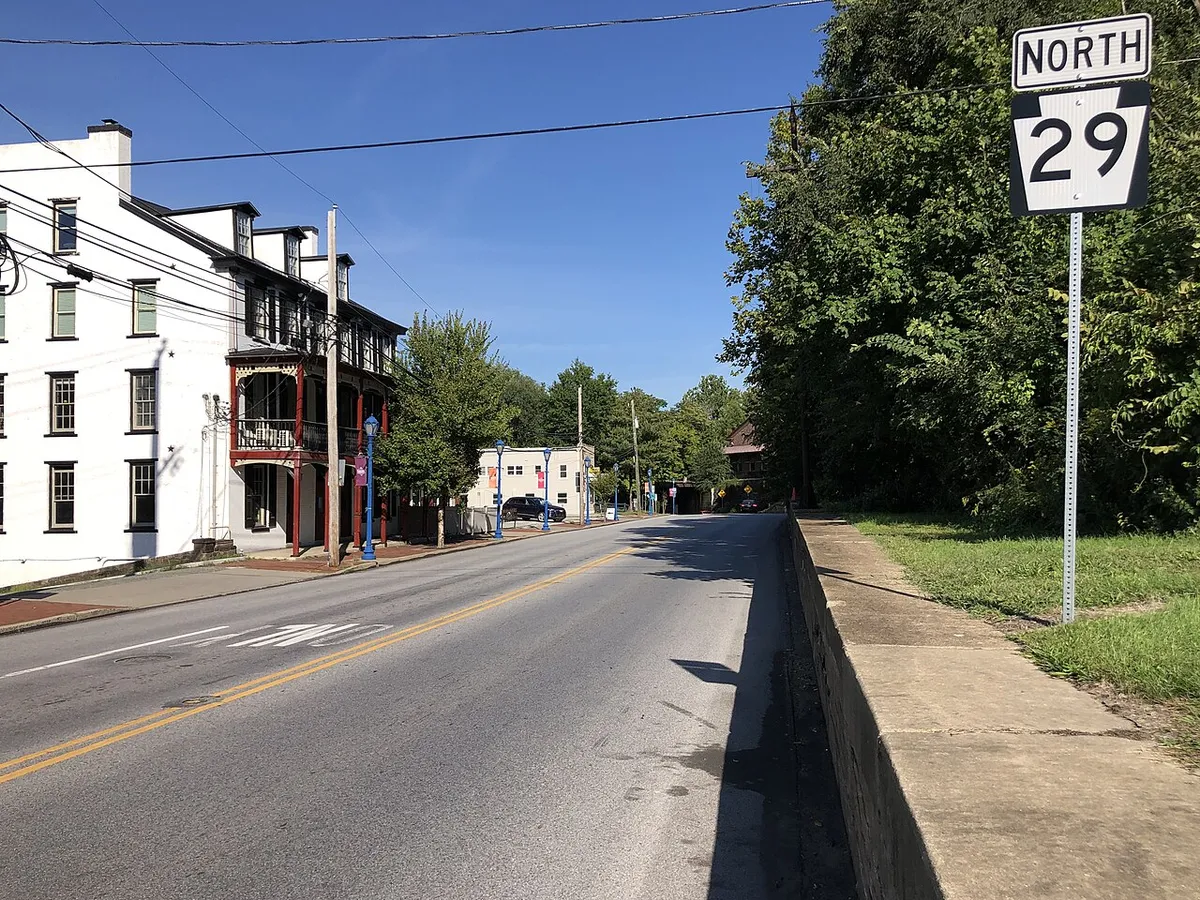
- Protect the shared wall during demolition.
- Control dust and debris.
- Handle any lead paint or asbestos in older buildings. EPA's RRP rule applies to paid work that disturbs paint in pre-1978 homes (EPA RRP program).
- Fire-separate the party wall properly during repairs.
Our rebuilding after a house fire guide covers the full process.
Talking with your neighbor
A fire is hard on everyone. Your neighbor may be displaced and dealing with a much bigger loss. Share information calmly, exchange insurance contacts, and keep things in writing so nobody's memory has to carry the details later.
Signs the damage is more than surface soot
Light smoke damage often comes off with careful cleaning. These signs point to something bigger:
- Heat damage on the party wall, such as blistered paint, warped trim or a wall that feels warm days later.
- Cracks in plaster along the shared wall or ceiling, which can mean the structure moved.
- Water stains that keep growing, which suggest firefighting water is trapped in the wall or floor.
- Odor that does not fade after a week of airing out.
- Soot inside closed cabinets and drawers, which means smoke moved under pressure.
- Electrical problems like tripping breakers or dead outlets on the shared side.
If you see any of these, ask for an inspection before you start cleaning. A contractor may need to open the wall, check framing and confirm the fire separation is intact.
Keep your own records separate
Even if your neighbor's insurer gets involved, document your home separately. Keep your photos, your inventory and your receipts in your own folder, and do not rely on anyone else's paperwork to describe your damage.
Keeping records when the fire was not yours
When the damage started next door, good records protect you. Start them on day one, even if the damage looks minor.
- Photograph every room, including closets, the attic and the basement, especially along the shared wall. Take close-ups of any soot, stains or water marks.
- Write down the date of the fire, what you noticed and when, such as a smoke smell, a wet ceiling or a stain on the shared wall.
- Keep receipts for anything you spend because of the fire, such as hotel nights, meals, cleaning supplies and filter changes.
- Save copies of emails and letters with your insurer, the neighbor's insurer and any property manager or condo association.
- Note the names of adjusters and contractors who visit and what they looked at.
- Ask the fire department or the municipality how to get a copy of the incident report if your insurer needs it.
In Phoenixville twins and rowhomes, damage from a shared wall can show up weeks later as an odor or a stain. Dated records make those later findings easier to connect to the fire.
Frequently asked questions
My neighbor had a fire. Should I have my house checked?
Yes, especially in attached homes. Check the party wall, attic, basement and closets for soot, odor and water, even if your living areas look clean.
Can I sue my neighbor for smoke damage?
That is a legal question. Most homeowners start by filing with their own insurer, which may pursue the neighbor's insurer. Talk to your agent or an attorney about your situation.
How long does smoke odor last after a neighbor's fire?
Without cleaning, odor can linger for months and return in humid weather. Proper source cleaning and odor control usually resolve it.
Is it safe to sleep in my house after a neighbor's fire?
Only if the fire department has cleared it, utilities are safe and smoke odor is light. If odor is strong or soot is visible, stay elsewhere until cleaning is done.
Sources
- USFA: After the Fire, Returning to Normal (PDF)
- Ready.gov: Home fires
- EPA: A Brief Guide to Mold, Moisture and Your Home
- EPA: Lead Renovation, Repair and Painting Program
- Pennsylvania Insurance Department
Smoke came through the shared wall?
Call (484) 293-9520 24/7 or use the quote form. We handle fire and smoke damage in Phoenixville. See our Phoenixville fire and smoke page.