
Rebuilding after a house fire follows a set order: secure the property, clean and remove damaged materials, test for hazards in older homes, get permits, rebuild the structure, then finish and move contents back. Knowing the order helps you ask the right questions, keep the insurance claim on track and avoid paying twice for work done out of sequence.
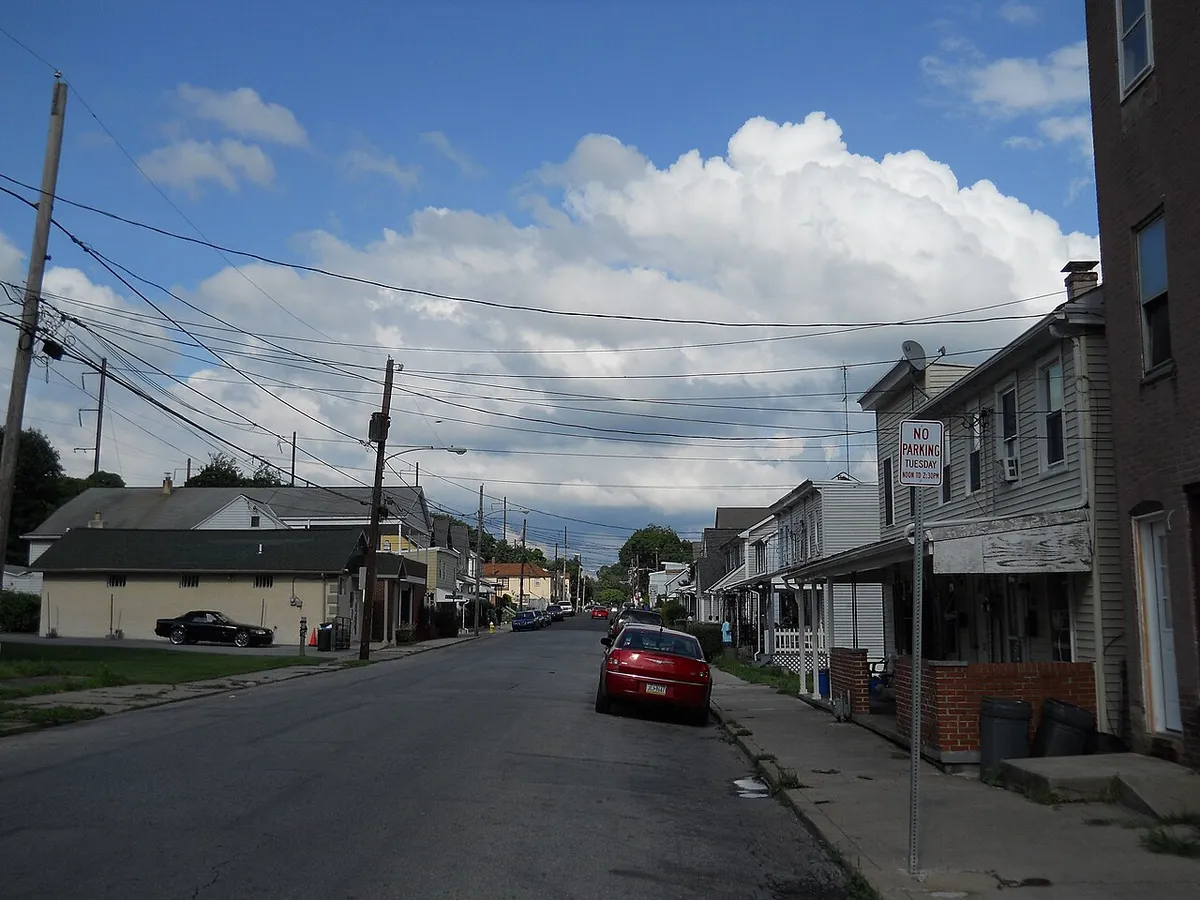
Coatesville has many row homes, twins and older single homes built for families who worked in the city's steel mills. Those homes have plaster walls, old wiring, shared walls and often lead paint. A fire in one of them raises rebuild questions that a newer house might not.
Step 1: Secure the house
Once the fire department releases the property, it needs to be protected from weather and entry. That usually means boarding windows and doors and tarping roof openings. USFA's After the Fire guide suggests asking your insurance company what you should do to keep your home safe until it is repaired, and calling the local police to let them know the home will be vacant (USFA: After the Fire, PDF).
Do not reconnect utilities yourself. Ready.gov notes that the fire department should make sure utilities are safe to use or disconnected before they leave (Ready.gov: Home fires).
Step 2: Document and inventory
Before anything is thrown away:
- Photograph and video every room, including ceilings, closets and the basement.
- Inventory damaged items. Ready.gov advises not to throw away damaged goods until after you make an inventory.
- Save receipts for every expense related to the fire.
- Get your claim number, adjuster contact and a copy of your policy.
If contents need to come out for cleaning and storage, see our contents pack-out guide.
Step 3: Cleanup and selective demolition
Cleanup removes soot, debris and water. Selective demolition removes materials that cannot be saved: charred framing, wet or smoke-saturated drywall and insulation, damaged flooring. The goal is to take out only what is necessary and keep what can be cleaned.
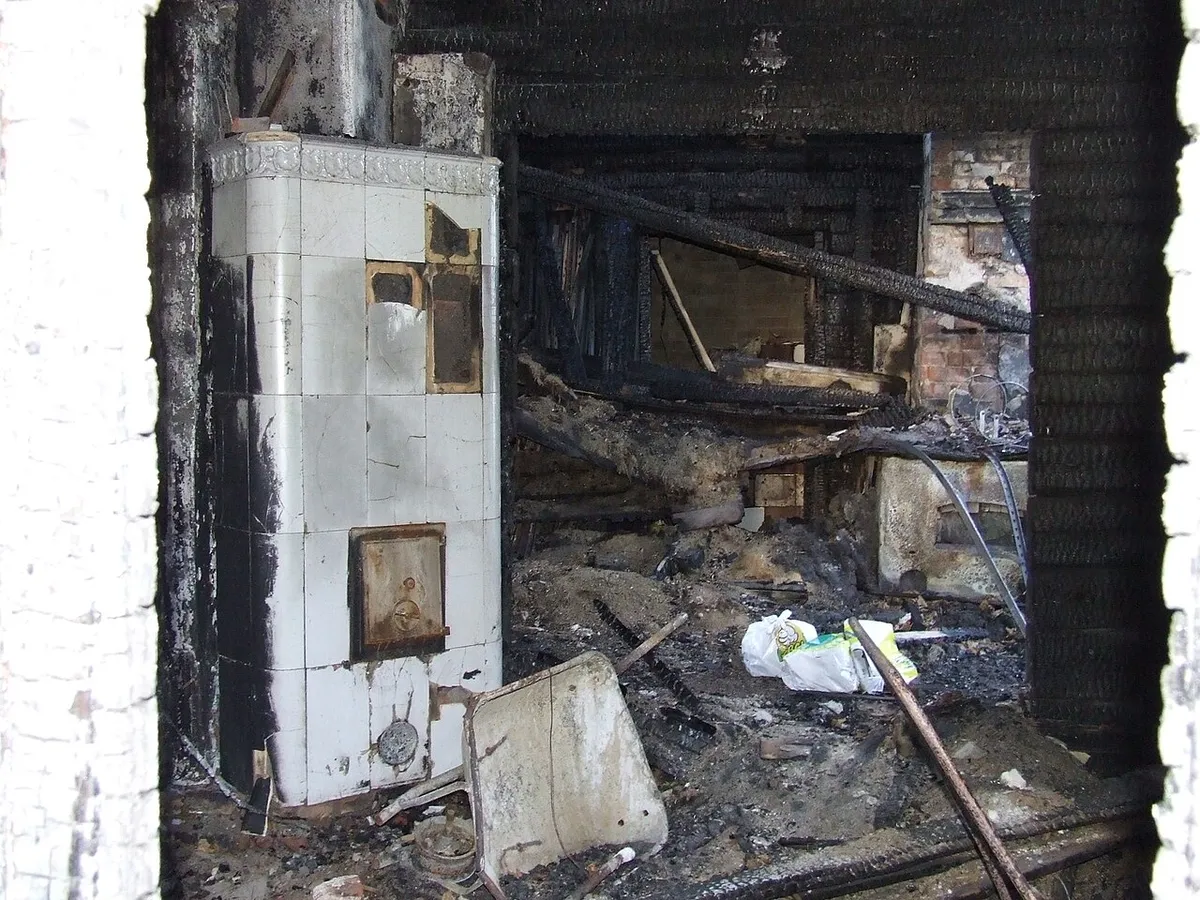
This is also when smoke odor sources get removed. Sealing and painting over smoke-affected framing without cleaning first almost always leads to odor coming back. Our soot damage cleanup guide explains why order matters.
Step 4: Check for lead and asbestos
Homes built before 1978 may contain lead-based paint. EPA's Renovation, Repair and Painting rule requires contractors who are paid to do work that disturbs painted surfaces in pre-1978 homes to be certified and follow lead-safe work practices (EPA RRP program). EPA notes that about three-quarters of homes built before 1978 still contain some lead-based paint.
Older homes may also contain asbestos in pipe insulation, floor tiles, siding or plaster. EPA advises that material in good condition that will not be disturbed should be left alone, and that a trained and accredited asbestos professional should take samples if you plan to remodel or have damaged building materials (EPA: Protect your family from asbestos).
After a fire, demolition disturbs a lot of material at once. Ask for testing before demolition in an older home.
Step 5: Scope, estimate and approval
A written scope lists every repair, room by room. Your adjuster and contractor should agree on it. USFA suggests getting a cost estimate in writing before cleanup and restoration work (USFA: After the Fire, PDF).
Read the scope carefully. Look for:
- Line items for each room, not just a lump sum.
- Code upgrades that may be required when walls are opened.
- Allowances for finishes like flooring, cabinets and fixtures.
- Who pulls permits and schedules inspections.
Step 6: Permits and inspections
Structural, electrical, plumbing and mechanical work usually needs permits. In Pennsylvania, many municipalities administer building permits under the Uniform Construction Code, either through their own code office or a third-party agency. Call the City of Coatesville or your township office to confirm what is needed for your address. Inspections happen at set points, such as after framing and before walls are closed.
Step 7: Rebuild
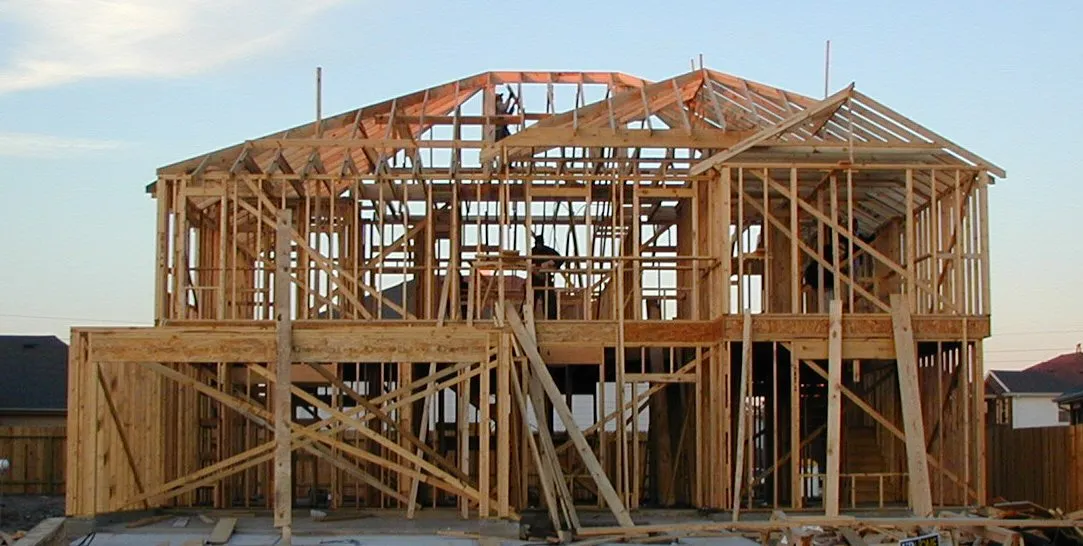
A typical rebuild order:
- Structural repairs to framing, joists and roof structure.
- Rough-in of electrical, plumbing and HVAC, with inspections.
- Insulation.
- Drywall or plaster and finish.
- Cabinets, trim and doors.
- Flooring and paint.
- Fixtures and appliances.
Shared walls in row homes and twins add a step: the party wall and the neighbor's side may need repairs, and your neighbor may have a separate claim. Our post on smoke damage from a neighbor's fire covers that situation.
Step 8: Final walkthrough and pack-back
Walk every room with your contractor before the final payment. Make a punch list of anything unfinished or wrong. Check that odor is gone with the house closed up and warm. Then schedule the return of contents.
Choosing a contractor in Pennsylvania
Pennsylvania's Home Improvement Consumer Protection Act requires contractors who do at least $5,000 a year in home improvements to register with the Attorney General's office. You can search registrations online at hicsearch.attorneygeneral.gov or call 1-888-520-6680. The Attorney General notes that registration is not an endorsement (PA Attorney General: Home improvement contractor registration).
Also ask for:
- Proof of insurance.
- A written contract with a start date, scope and payment schedule.
- Lead-safe certification for pre-1978 homes.
Living through the rebuild
Rebuilds take patience, and a few habits make the months easier.
- Keep one folder. Paper or digital, put the policy, claim letters, estimates, change orders, permits and receipts in one place.
- Ask for a schedule. Even a rough week-by-week plan helps you know when decisions are due.
- Make finish choices early. Flooring, cabinets, tile and fixtures can have long lead times. Late choices are a common cause of delays.
- Get change orders in writing. If the scope changes once walls are open, the price and timeline change too. Put it on paper before the work is done.
- Visit at set times. Walk the job with the contractor at milestones such as after demolition, before insulation and before drywall. It is much easier to fix a problem before walls close.
- Keep the neighbors informed. In row homes and twins, rebuild work affects the people next door. A short note about dumpster placement and work hours helps.
Additional living expenses
Many homeowners policies include coverage for extra costs while you cannot live at home, such as rent and the extra you spend on meals. Ask your adjuster what your policy includes, how long it lasts and what receipts they need.
Frequently asked questions
How long does it take to rebuild after a house fire?
It depends on damage, permits, material availability and claim approval. A single-room fire may take weeks. Larger fires can take months.
Do I have to use the contractor my insurance company recommends?
In most cases you can choose your own contractor. Check your policy and talk to your adjuster. The Pennsylvania Insurance Department has consumer resources if you have questions about your rights.
Can I live in my house during fire repairs?
Sometimes, if the damage is limited and utilities are safe. For larger fires, especially with smoke throughout, most families stay elsewhere.
What should I do first after a house fire?
Make sure everyone is safe, let the fire department clear the home, call your insurance company, and secure the property. Then document damage before cleanup starts.
Sources
- USFA: After the Fire, Returning to Normal (PDF)
- Ready.gov: Home fires
- EPA: Lead Renovation, Repair and Painting Program
- EPA: Protect your family from exposures to asbestos
- PA Attorney General: Home improvement contractor registration
- Pennsylvania Insurance Department
Ready to plan your rebuild?
Call (484) 293-9520 or use the quote form. We handle building restoration after fire and smoke damage in Coatesville and across Chester County.