
Good soot damage cleanup removes particles before anything wet touches the surface. Soot is fine, oily carbon that smears into paint and plaster when you rub it, so the first pass should be a HEPA vacuum and a dry chemical sponge, not a wet rag. Then comes cleaning matched to the surface, and only then paint or sealing.
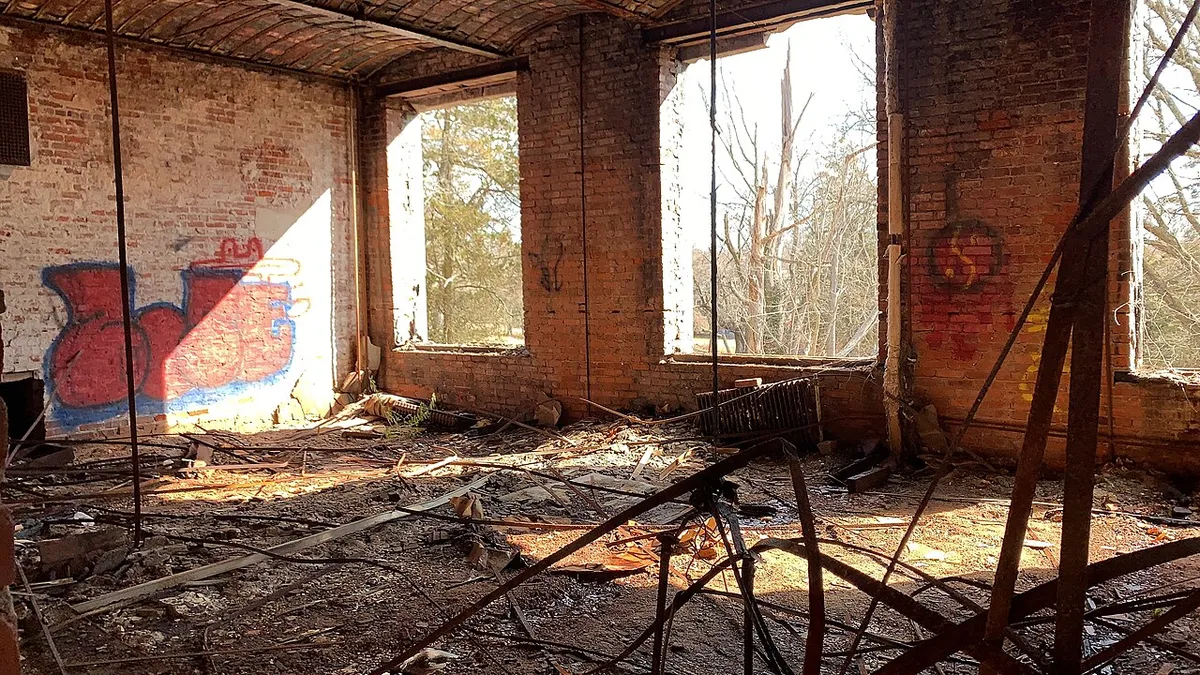
Soot shows up after house fires, furnace puff-backs, candles, fireplaces that draft poorly, and even neighbors' fires in attached homes. In West Chester's older brick and stone homes, it often lands on plaster walls, painted woodwork and original floors that are worth saving.
What soot is made of
Soot is what is left when fuel does not burn completely. It is mostly tiny carbon particles coated with oily or acidic compounds that came from whatever burned: wood, plastics, cooking oil, heating oil, candle wax. The particles are small enough to float through a house and settle on surfaces far from the source.
Types you might see
- Dry, powdery soot from fast, hot fires in paper or wood. Gray or black. Lifts fairly easily if handled dry.
- Oily, smeary soot from slow, smoldering fires or burning plastics. Black, sticky and quick to smear.
- Puff-back soot from an oil furnace or boiler misfire. Fine, black, oily film that can coat an entire house through the ducts.
- Protein residue from cooking fires. Often nearly invisible, with a strong odor. Our kitchen fire smoke cleanup guide covers it.
- Candle soot, sometimes called ghosting, which leaves dark lines along ceilings, above outlets and on carpet edges where air moves.
Why wiping is the classic mistake
When you wipe soot with a wet cloth, three things happen. The particles smear across a wider area. The moisture helps oily compounds soak into porous paint and plaster. And pressure grinds the particles into texture, making them harder to lift later. A light gray haze turns into a dark streak that may never fully come out.
Dry cloth is not much better. It drags particles across the surface and pushes them into the grain of wood.
The professional order of operations
- Protect the clean areas. Plastic over doorways and floors keeps soot from tracking.
- HEPA vacuum. A vacuum with a true HEPA filter and a soft brush lifts loose particles without blowing them back into the room. Shop vacuums without HEPA filters can exhaust soot into the air.
- Dry chemical sponge. These are vulcanized rubber sponges that pull soot off flat paint, ceilings, wallpaper and wood. You wipe in one direction, then cut away or fold to a clean side.
- Test wet cleaning. Once the dry pass is done, a small hidden area gets a mild cleaner suited to the finish. If it streaks, the method changes.
- Rinse. Cleaner residue left on walls attracts dirt and affects paint adhesion.
- Dry and assess. Some stains remain even after correct cleaning. That is when sealing primer and paint come in.
Surfaces in older West Chester homes
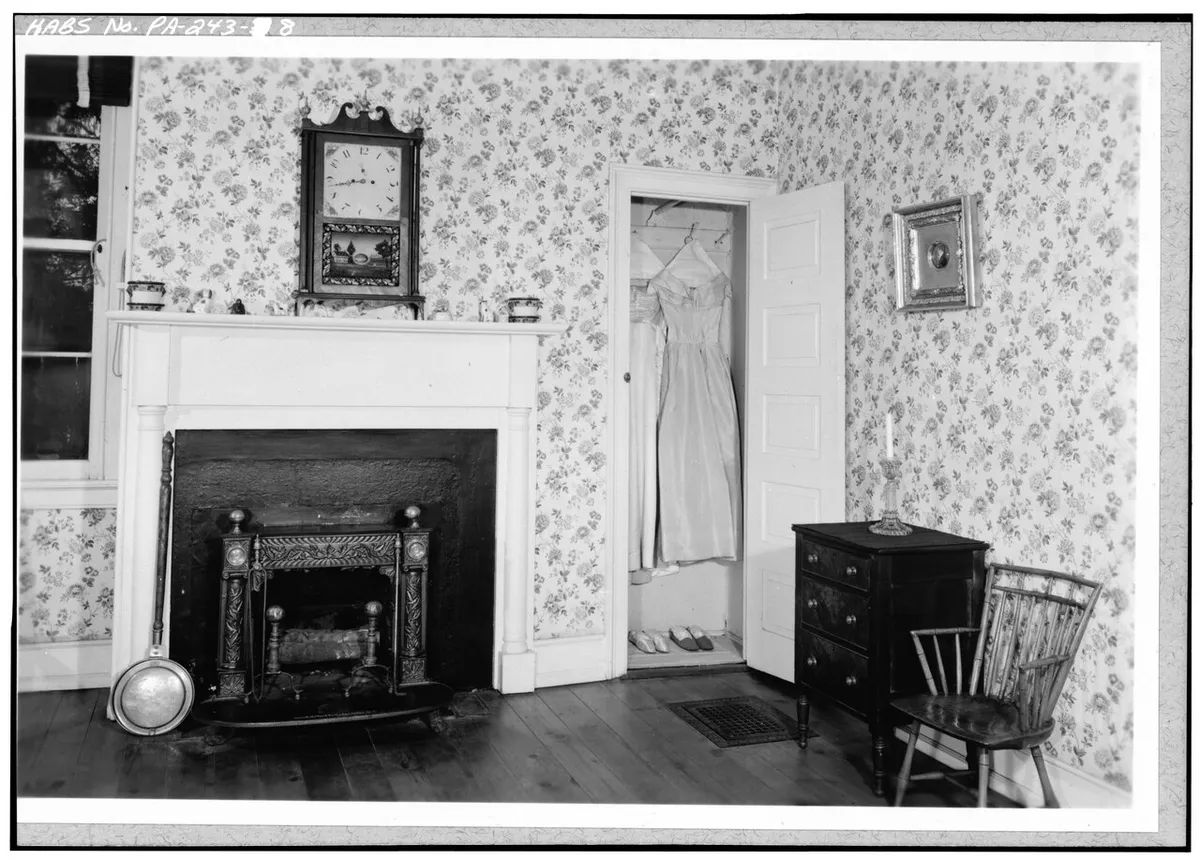
West Chester is the county seat and has a large historic downtown with brick and fieldstone homes from the 1800s and early 1900s. Older finishes need extra care.
Plaster walls and ceilings
Plaster is porous. Dry sponging first, then gentle cleaning, works well on painted plaster. Unpainted or lime-based plaster absorbs liquids quickly, so wet cleaning is kept to a minimum.
Painted woodwork and trim
Old paint is often oil-based and may contain lead. The EPA's Renovation, Repair and Painting rule requires anyone paid to do work that disturbs painted surfaces in homes built before 1978 to be certified and to use lead-safe work practices (EPA RRP program). Cleaning soot is not the same as sanding, but if trim needs scraping or repainting after a fire, ask whether your contractor is certified.
Original wood floors
Soot settles on floors and gets ground in by foot traffic. Keep traffic down until the floor is HEPA vacuumed. Finished hardwood usually cleans well. Unfinished or worn areas may need refinishing.
Wallpaper
Dry sponging can save many papers. Wet cleaning often ruins them. Test first.
Contents and soft goods
- Clothing and linens often come clean with regular laundering, sometimes two cycles. Some fabrics need professional cleaning.
- Upholstery and mattresses depend on how heavy the soot was and how deep it went.
- Books and papers can sometimes be cleaned page by page. Important documents should be set aside for specialty cleaning.
- Electronics that were in heavy smoke should not be powered on until checked. Soot can be conductive and corrosive.
Health and safety while cleaning
Soot particles are small enough to breathe deep into the lungs. The residue can carry chemicals from whatever burned, including plastics. While cleaning:
- Wear an N95 or better respirator, gloves and eye protection.
- Keep children, older adults, pets and anyone with asthma or heart conditions out of the area.
- Keep the HVAC off until the filter is changed and the system has been evaluated.
- Do not use a regular household vacuum, which can blow fine soot back into the air.
When soot cleanup is a professional job
Call a restoration crew if soot covers more than one room, came from a furnace puff-back, appears in closets or cabinets that were closed, or if the fire involved plastics or electrical materials. Also call if you have older finishes you want to save, because a cleaning mistake on original plaster or woodwork cannot be undone.
A room-by-room order that keeps soot from spreading
Crews work in a set order so a cleaned room does not get dirty again.
- Top floor first, then down. Soot falls and gets tracked. Cleaning upstairs rooms before the ones below them keeps the work from undoing itself.
- Ceilings, then walls, then floors. Particles knocked loose from a ceiling land on the walls and floor below.
- Far side of the house toward the source. The rooms with the lightest soot get done while the fire room is still sealed off, so workers do not carry heavy residue through them.
- Fixtures and vents last in each room. Light fixtures, smoke alarms, registers and ceiling fans hold a lot of soot. Air moving through a register can blow residue back onto a clean wall.
Quick test for how far soot traveled
Wipe a white cosmetic sponge or a dry chemical sponge once across a light-colored surface in each room, including closets. Gray on the sponge means soot reached that room even if the wall looks clean. Keep the sponges in labeled bags. They help with the insurance claim because they show how far residue spread.
What to leave for the professionals
Leave heavy oily soot, puff-back residue, anything on fabric-covered walls, textured or popcorn ceilings, and any surface you are not sure about. A failed cleaning test is hard to reverse, and texture that gets wet can fall off the ceiling.
Frequently asked questions
Can I clean soot off walls myself?
For light soot in a small area, yes. HEPA vacuum first, then use a dry chemical sponge, and test any wet cleaner in a hidden spot. Stop if you see streaking.
Is soot dangerous to breathe?
Soot is made of fine particles and can carry chemicals from whatever burned. Wear a respirator while cleaning and keep sensitive people out of the area until it is clean.
Will soot stains come out of ceilings?
Many will with dry sponging and careful cleaning. Stains that remain after cleaning can be sealed with a stain-blocking primer and repainted.
What is a furnace puff-back?
It is a misfire in an oil burner that pushes soot through the heating system and out the registers. It can coat a whole house with fine, oily residue and usually needs professional cleanup.
Sources
- EPA: Lead Renovation, Repair and Painting Program
- U.S. Fire Administration: After the Fire
- EPA: Air Cleaners and Air Filters in the Home
Soot in your West Chester home?
Call (484) 293-9520 24/7 or use the quote form. We provide fire and smoke damage cleanup across West Chester and Chester County, and we can coordinate repairs through building restoration.