
Kitchen fire smoke damage cleanup starts with one fact: cooking smoke leaves a sticky, oily film, not dry dust. That film clings to cabinet faces, the range hood, ceilings and the inside of upper cabinets, and it smears if you scrub it the wrong way. Ventilate, keep the HVAC off, photograph everything, and test a small area before you clean anything.
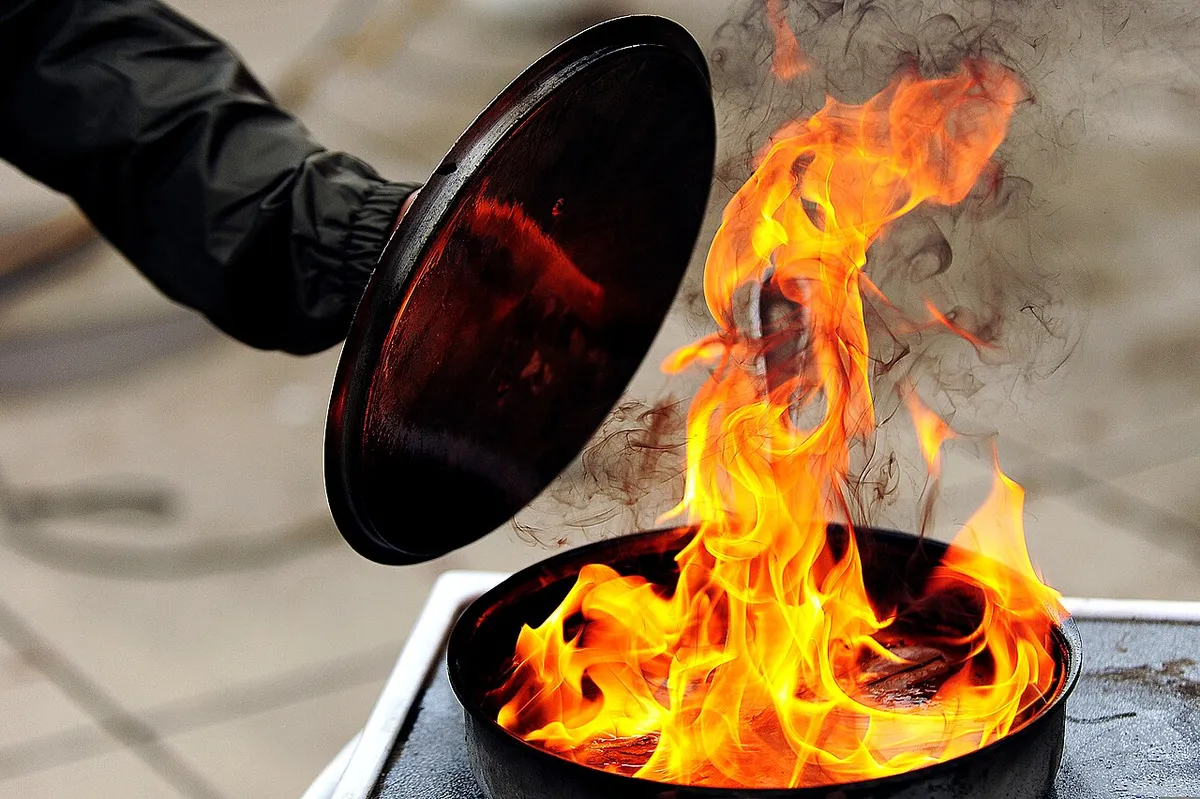
A pan fire that you put out in thirty seconds can still leave a kitchen that smells for months. The flames were small. The smoke was not. This guide walks through why kitchen smoke behaves differently, what you can safely handle yourself, and where professional fire and smoke cleaning earns its keep.
Why cooking smoke is harder to clean than wood smoke
Smoke residue changes with what burned. A fire in a pan of oil, bacon fat or butter produces what restorers call protein or grease residue. It is often thin and yellow-brown, sometimes nearly invisible, and it carries a sharp, rancid odor that hangs on long after the room looks fine.
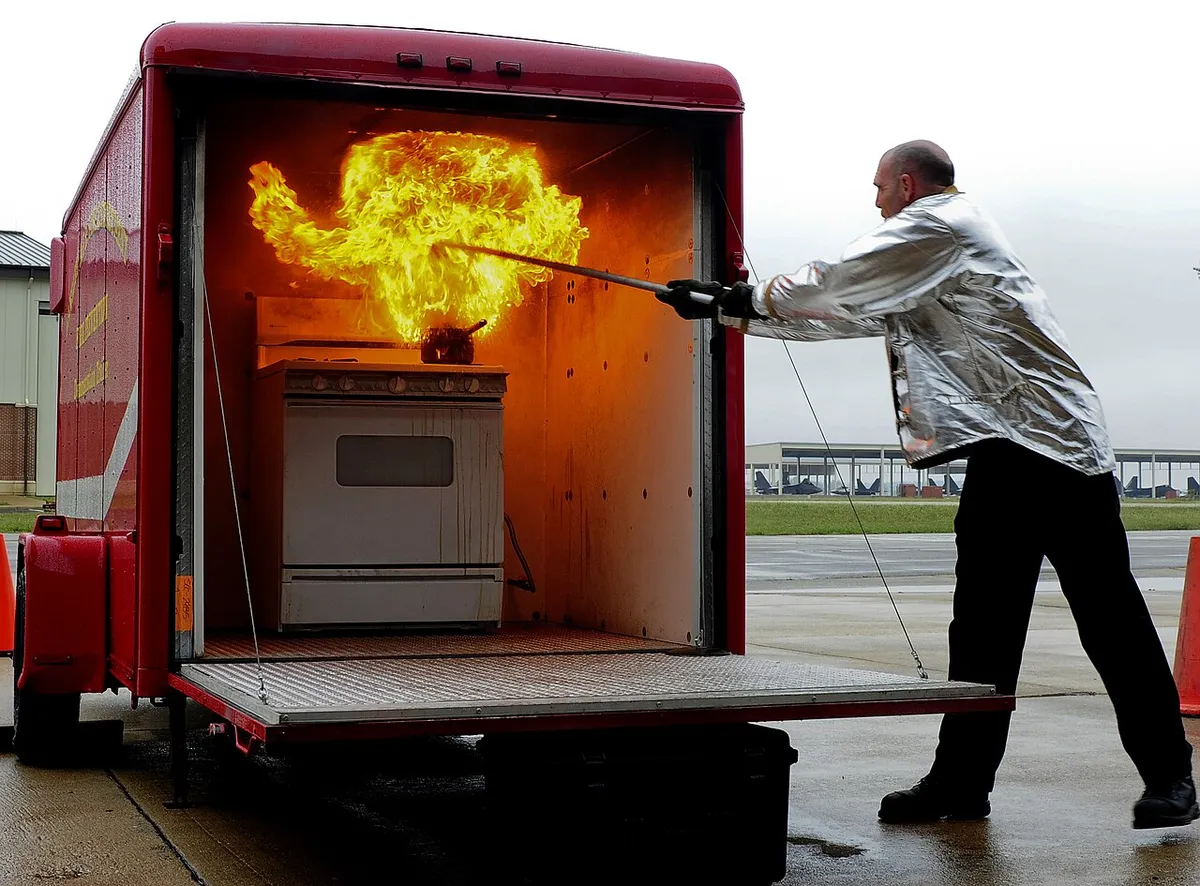
Wood or paper fires tend to leave dry, powdery soot that you can lift with a chemical sponge or a HEPA vacuum. Grease smoke is the opposite. It is tacky. If you wipe it with a dry cloth, you push it into the grain of painted cabinets and the texture of the ceiling. If you hit it with the wrong cleaner, it can streak and set.
That is why the first step is not cleaning. It is looking.
Where kitchen smoke hides
- Inside upper cabinets. Doors are rarely airtight. Smoke rises and settles on shelves, dishes and the underside of the cabinet top.
- The range hood and its filter. The hood pulls smoke in. The filter and the duct behind it collect a heavy coat.
- Ceilings and the top foot of the walls. Hot smoke rises and spreads along the ceiling before it cools and drifts down.
- Light fixtures and ceiling fans. Fan blades act like collectors.
- The next room over. In open floor plans, the film often reaches the living room and stair hall.
First steps in the first day
The U.S. Fire Administration's guidance on cooking fires is simple: if a pan catches fire, cover it with a lid or a baking sheet and turn off the burner (USFA cooking fire safety). Never pour water on a grease fire. Once the fire is out and the fire department has cleared the home if they responded, these steps help limit the spread of residue:
- Leave the HVAC off. A running furnace or air handler pulls smoke into the return and spreads it through the ducts to every room.
- Ventilate carefully. Open windows on opposite sides if the weather allows, so air moves out instead of swirling.
- Photograph before you touch. Take wide shots of each wall and close-ups of the hood, ceiling and inside the cabinets. Your insurer will want them.
- Throw out exposed food. Open packages, fruit on the counter and anything in porous containers near the fire should go. Heat and smoke can affect food you cannot see damage on.
- Keep people with asthma, young children and pets out of the kitchen until the air clears.
- Call your insurance company and ask what they want documented before cleanup begins.
What you can clean yourself
A small, contained flare-up with light residue on one or two surfaces is often a homeowner job. Light means a faint film on the hood and the wall behind the stove, no visible soot on the ceiling, and an odor that fades after a day of airing out.
- Test first. Pick a hidden spot on a cabinet door. Try a mild degreasing dish soap in warm water on a soft cloth. If the film lifts without streaking, you can continue.
- Work top down. Ceiling, then walls, then cabinets, then counters. Residue drips.
- Change water often. Dirty rinse water just redistributes grease.
- Wash the hood filter or replace it. Most mesh filters can be soaked in hot soapy water.
- Launder fabrics like curtains, towels and seat cushion covers that can go in the wash. Some need more than one cycle.
When a kitchen fire needs a restoration crew
Call for professional help when any of these are true:

- Smoke residue is visible on the ceiling or in rooms beyond the kitchen.
- The odor is still strong after two days of ventilation.
- The fire reached the cabinets, the wall cavity or the hood duct.
- Firefighters used water or an extinguisher, which leaves powder or wet materials behind.
- The home is attached to another unit.
Why attached homes in Phoenixville need extra attention
Phoenixville's housing stock includes many attached homes and twins along and off Bridge Street, Main Street and the blocks around them. Shared walls and connected floor framing give smoke more paths than a detached house. Grease smoke can move through gaps around plumbing and wiring into a shared cavity and show up as an odor in the neighbor's kitchen. If you share a wall, tell your neighbor and ask whether they smell smoke too. Both households may need inspections, and it helps if the documentation lines up. Our Phoenixville fire and smoke damage page covers how we handle attached housing.
How professionals clean kitchen smoke damage
A proper cleanup follows a consistent order. The ANSI/IICRC S700 standard for fire and smoke restoration is the industry reference for assessment and cleaning. Here is what that looks like in a kitchen:
- Assessment. The technician identifies the residue type, checks surfaces with a test cleaning and decides what can be cleaned versus replaced.
- Contents. Dishes, small appliances and pantry items are sorted. Some get cleaned on site. Some go out for specialty cleaning. Damaged items are listed and photographed for the claim.
- Surface cleaning. Degreasing cleaners matched to the finish, applied and rinsed in sections. Painted cabinets, stained wood, laminate and stainless steel each need a different approach.
- Inside cavities. Cabinet interiors, the area behind the refrigerator and range, and the hood duct get cleaned, not just the visible faces.
- Air cleaning. HEPA air scrubbers run during and after the work to capture fine particles.
- Odor control. Once the source residue is gone, deodorization addresses what soaked into porous materials. We explain the options in our guide to smoke odor removal methods.
- Sealing and repainting only after cleaning. Primer is not a substitute for removing residue.
Should you paint over smoke stains?
Not until the surface is clean. Paint applied over grease film peels, and odor-blocking primers work best on a cleaned surface. If you paint first, you lock the smell in and the residue bleeds through. Wash, rinse, let it dry fully, then prime with a product designed for smoke-damaged surfaces, then paint.
What about the appliances?
The range, microwave and refrigerator exterior can usually be cleaned. The concern is inside. A microwave that was over the fire may have smoke inside its vents. A refrigerator's condenser coils pull in air, smoke included. Small appliances that were close to the flames should be checked before you plug them in. If the fire involved the wiring of an appliance, have an electrician look at the circuit.
Kitchen fire cleanup checklist
| Task | DIY or pro |
|---|---|
| Cover pan, turn off burner | You, during the fire |
| Photos of all damage | You, before cleaning |
| Discard exposed food | You |
| Light film on hood and backsplash | Usually DIY |
| Ceiling residue, adjacent rooms | Pro |
| Inside cabinet boxes, hood duct | Pro recommended |
| Lingering odor after 48 hours | Pro |
| Extinguisher powder cleanup | Pro recommended |
| Shared wall with neighbor | Pro inspection |
Frequently asked questions
How long does kitchen smoke damage cleanup take?
A small kitchen with light residue can be cleaned in a day. When residue has spread to other rooms or cabinets need to come apart, it takes longer, and odor treatment adds time after cleaning. We give you a written scope and timeline after the inspection.
Can I use vinegar or bleach on cooking smoke residue?
Vinegar can cut light grease on hard surfaces, but it will not fix heavy film or odor in porous materials. Bleach is not a degreaser and does not remove smoke residue. Test any cleaner on a hidden spot first.
Does homeowners insurance cover a small kitchen fire?
Many policies cover sudden fire damage, including smoke cleanup, but coverage depends on your policy and deductible. Call your agent, ask what they need documented and keep receipts for anything you spend.
Will the smell come back after cleaning?
It can if residue was left in cabinets, ducts or wall gaps. Cleaning the source first, then treating odor, is what keeps it from returning when the weather warms up.
Sources
- U.S. Fire Administration: Cooking fire safety
- U.S. Fire Administration: After the Fire
- IICRC standards (S700 fire and smoke)
Need help with a kitchen fire?
If smoke from a kitchen fire has reached the ceiling, the cabinets or the next room, call (484) 293-9520 any time, day or night, or use the quote form. We serve Phoenixville and all of Chester County with fire and smoke damage cleanup.