
Smoke odor removal works only when the residue causing the smell is cleaned out first. Ozone, hydroxyl generators, thermal fogging and sealers each have a role, but none of them fix soot left on surfaces, inside ducts or in insulation. Remove the source, filter the air, then treat what soaked into porous materials.
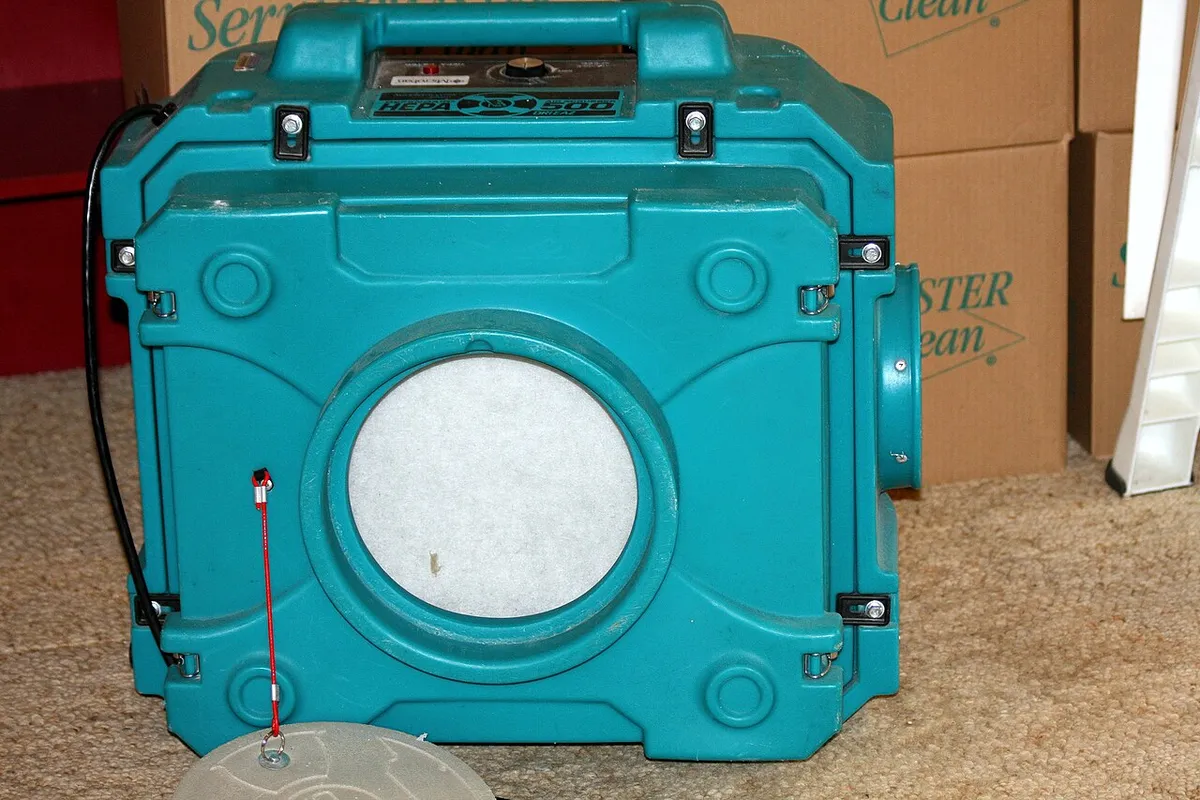
People in Malvern and across Chester County call us weeks after a small fire because the smell will not leave. They aired the house out. They ran a store-bought air purifier. They might have rented an ozone machine. The smell faded, then came back on the first warm, humid day. Here is why, and what each method actually does.
Why smoke smell keeps coming back
Smoke is a mix of tiny particles and gases. The particles settle as soot on every surface. The gases and some of the finest particles work their way into porous materials like drywall paper, wood, upholstery, carpet pad and insulation.
When temperature and humidity rise, those materials release odor again. That is why smoke smell often returns in summer or when the heat kicks on in fall. It also explains why masking sprays fail: they cover the smell for a few hours while the source stays put.
Step one: source removal
Every honest odor plan starts here. Source removal means:
- Cleaning soot from walls, ceilings, cabinets and fixtures with methods matched to the residue.
- Removing materials that cannot be cleaned well, such as heavily affected insulation or carpet pad.
- Cleaning or replacing the HVAC filter and having ducts evaluated when smoke reached them.
- Sorting contents into clean, specialty clean and discard.
In many homes, source removal alone takes care of most of the smell. The methods below handle what is left.
Method comparison
| Method | How it works | Good for | Limits |
|---|---|---|---|
| HEPA air scrubbing | Fans push air through high-efficiency filters | Capturing airborne soot during and after cleaning | Does not touch odor in materials |
| Activated carbon filtration | Carbon media adsorbs odor gases | Lowering smell in the air | Media saturates and needs replacing |
| Hydroxyl generators | Produce reactive molecules that break down odor compounds | Treating spaces over several days | Slower; results vary by room |
| Ozone treatment | Releases ozone gas, a strong oxidizer | Unoccupied spaces under professional control | Lung irritant; not for occupied homes |
| Thermal fogging | Heated deodorizer forms a fine fog that follows smoke paths | Wall cavities, attics, contents | Needs prep and ventilation afterward |
| Sealing primers | Coat surfaces to lock in residual odor | Framing, subfloor, cleaned walls | Only after cleaning |
What EPA says about ozone
Ozone generators are sold to homeowners as air cleaners, and they get recommended a lot online. The U.S. Environmental Protection Agency has a page on exactly this topic. EPA states that at concentrations that do not exceed public health standards, ozone has little potential to remove indoor air contaminants, and that ozone is a lung irritant (EPA: Ozone generators sold as air cleaners). The same page notes that high concentrations are sometimes used in unoccupied spaces during fire restoration, while little is known about the chemical by-products left behind.
In plain terms:
- Do not run an ozone machine in a room where people or pets are present.
- Do not expect a small consumer unit to fix smoke odor in a whole house.
- If a contractor proposes ozone, ask how they will keep the space unoccupied, how long it runs, how they will ventilate afterward, and what they will clean first.
Hydroxyl generators
Hydroxyl units are often used when a space cannot be fully vacated, or as a slower follow-up to cleaning. They are generally considered safer to have around than high-ozone treatment, but they take longer. We set expectations in days, not hours, and measure success by whether the smell returns when the house is closed up and warm.
Thermal fogging
Fogging uses a heated deodorizer that forms very small droplets. The idea is that the fog travels the same paths that hot smoke traveled: into wall gaps, attic spaces and soft materials. It is a tool for the right spot, not a whole-house cure. The space has to be prepared, occupants and pets are out during treatment, and the area is ventilated afterward.
Sealing as the last step
After cleaning, some surfaces still hold faint odor: exposed framing in an attic, the back of a wall that was opened up, a subfloor under removed flooring. Odor-sealing primers lock that in. Applied over dirty surfaces, they fail, and the smell bleeds through new paint.
What homeowners can do safely
- Keep the HVAC fan off until the filter is changed and the system is checked. Running it spreads residue.
- Wash what can be washed. Clothing, linens and curtains often come clean with one or two cycles.
- Change the furnace filter after cleanup, and again a few weeks later.
- Use a portable air cleaner with a HEPA filter that does not produce ozone. EPA's wildfire smoke guidance recommends picking one that does not produce ozone (EPA: Create a clean room).
- Skip the fragrance sprays. They add chemicals and hide the problem.
Malvern homes: built-ins, hardwood and additions
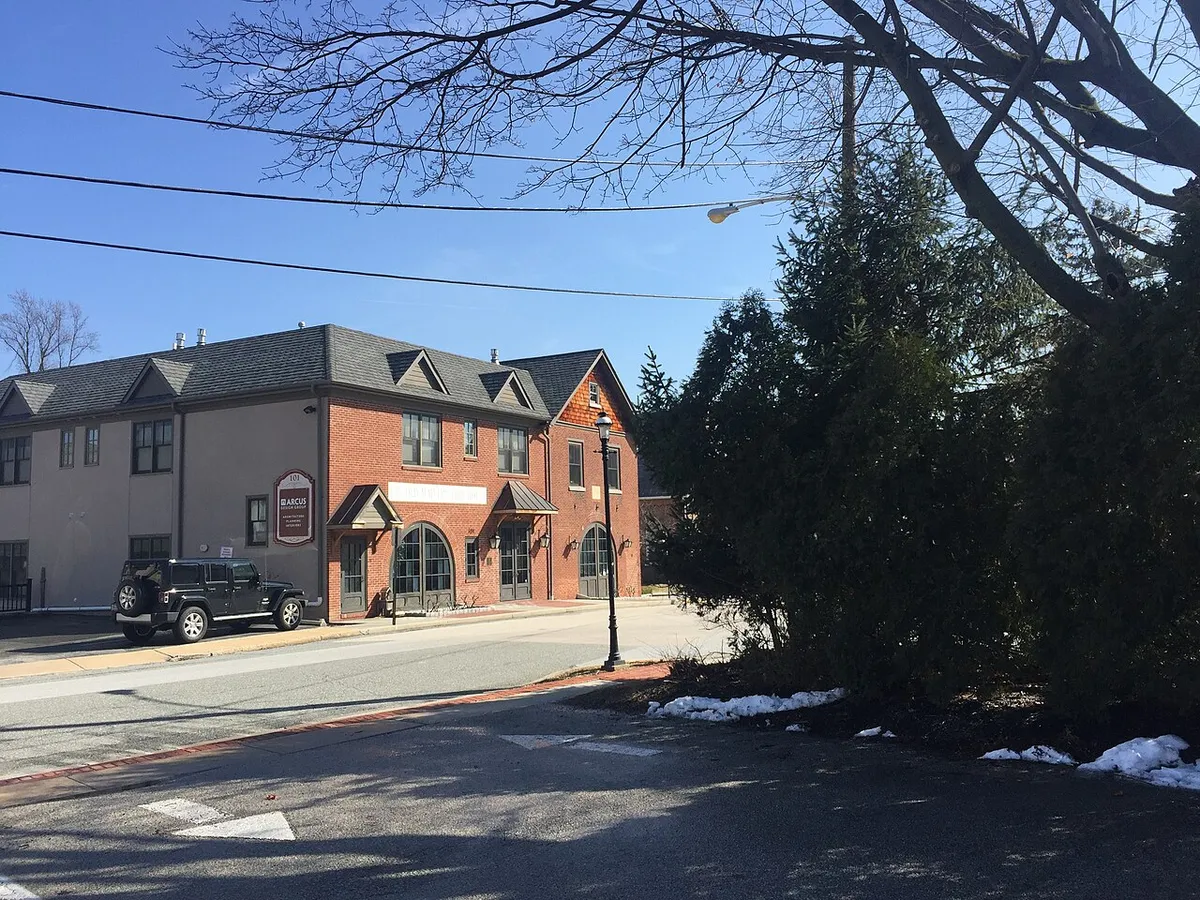
Malvern borough and the surrounding Great Valley area have many homes with built-ins, hardwood floors and additions from different decades. Built-ins and paneling trap odor behind them. Additions often have separate attic spaces and duct runs. A good odor plan maps where smoke traveled in each section, rather than treating the house as one box. Our Malvern service page describes how we protect finishes during cleanup.
How we judge that odor is gone
We do not call odor work finished because a machine ran for a set number of hours. We close the house, let it warm up, and walk it again. If you still notice smoke in a closet or a bedroom, that spot gets more source work. That is the test that matters for living in the house.
Questions to ask before odor treatment starts
Odor work is easy to oversell, so ask a few plain questions before anyone sets up equipment in your Malvern home.
- What is the source of the smell, and how will it be removed first? Deodorizing before cleaning only covers the problem for a while.
- Which method do you plan to use, and why that one for this house? A good answer ties the method to the materials, such as plaster walls, hardwood floors or upholstered furniture.
- Will anyone need to leave the house during treatment? If the answer involves ozone, ask how long the space stays empty and how it is aired out before people and pets return.
- What happens to the HVAC system? Ducts and the air handler can hold smoke residue, and changing the filter alone may not be enough.
- How will we both know the odor is gone? Agree on a simple test, such as a walk-through after the house has been closed up and the heat or air has run for a day.
- What is cleaned, what is sealed, and what is replaced? Get that list in writing so it matches the estimate your insurer sees.
If a contractor cannot explain the plan in plain terms, keep asking or get a second opinion. You live with the result long after the equipment leaves.
Frequently asked questions
How long does professional smoke odor removal take?
Cleaning comes first and depends on how far residue spread. Odor treatment after cleaning can take one day or several, depending on the method. Hydroxyl treatment is slower than ozone but can be used with more flexibility.
Is it safe to stay in the house during smoke odor treatment?
It depends on the method. Ozone treatment requires the space to be unoccupied. Ask your contractor about each step and follow their re-entry instructions.
Can I get smoke smell out of my couch?
Sometimes. Upholstery with light odor can often be cleaned. Heavily affected foam may hold odor and need replacement. Test cleaning tells you which.
Will painting the walls remove smoke smell?
Not on its own. Clean first, then use an odor-sealing primer, then paint. Paint over residue tends to peel and let the odor through.
Sources
- EPA: Ozone Generators that are Sold as Air Cleaners
- EPA: Create a Clean Room to Protect Indoor Air Quality During a Wildfire
- EPA: Air Cleaners and Air Filters in the Home
Smoke smell that will not go away?
Call (484) 293-9520 24/7 or use the quote form to set up an inspection. We provide fire and smoke damage cleanup and odor control in Malvern and throughout Chester County.