
A contents pack-out means your belongings are inventoried, boxed and moved out of the house so the structure can be cleaned and repaired, and so the items themselves can be cleaned and stored safely. A good pack-out gives you a room-by-room list with photos, keeps salvageable items from further damage, and makes the insurance contents claim far easier.
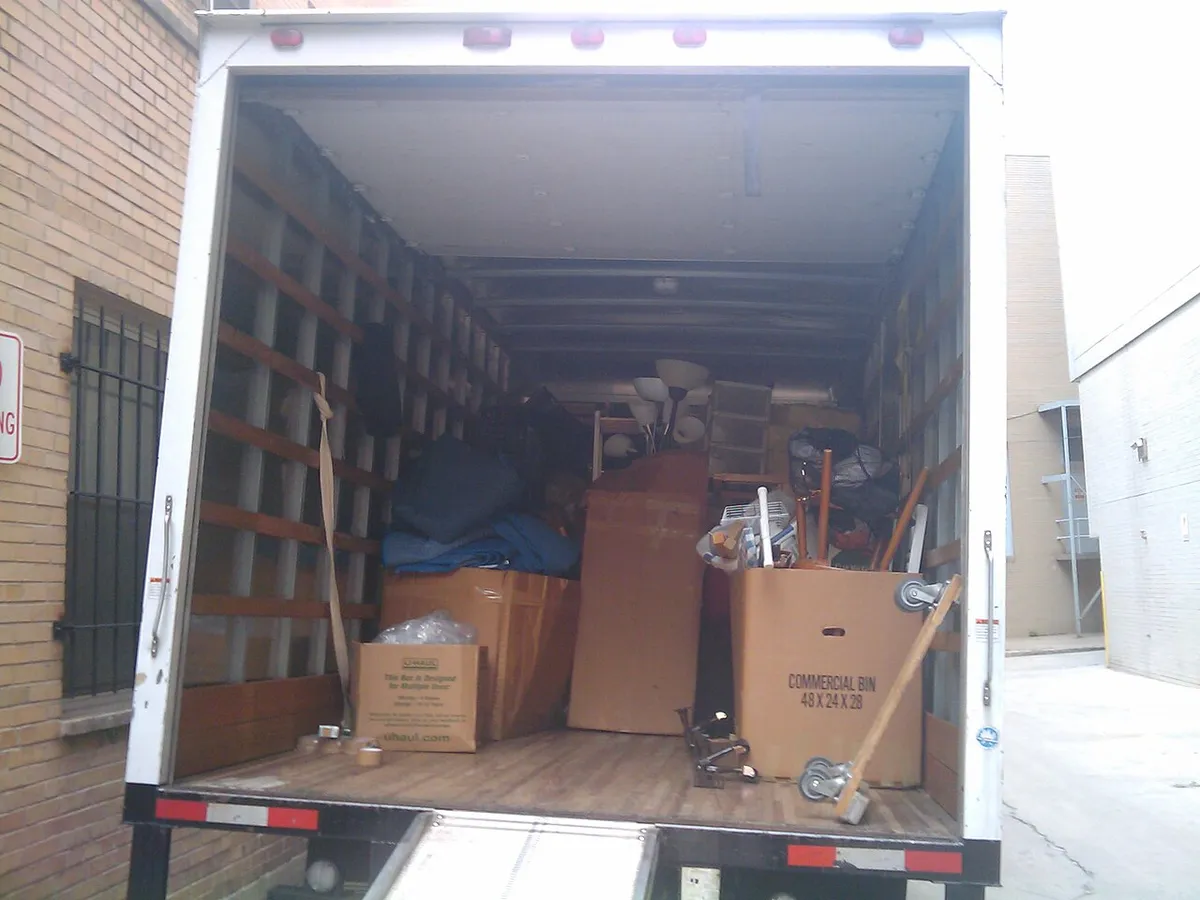
Pack-outs are common after a house fire, a large water loss or any job where walls, floors or ceilings need to come out. If you own a home in Downingtown or nearby, this guide walks through what to expect and how to stay in control of your things.
When a pack-out makes sense
Not every loss needs one. A pack-out usually makes sense when:
- Smoke or soot reached most rooms, so contents need cleaning anyway.
- Rebuild work will require removing drywall, flooring or ceilings.
- Water damage requires drying equipment in many rooms for days.
- The home will be empty for a while and items would be at risk.
- Contents are blocking access for crews.
For a small loss limited to one room, contents can often be moved to another part of the house instead. That is called a move-out or block-and-pad, and it costs less.
Talk to your insurer first
The U.S. Fire Administration's after-fire guidance tells homeowners to contact their insurance company right away, ask what to do, and save receipts for any money spent (USFA: After the Fire, PDF). Before a pack-out starts:
- Confirm with your adjuster that contents cleaning and storage are part of the claim.
- Ask whether they want items photographed before anything is moved.
- Ask how they want unsalvageable items handled: kept for inspection or documented and discarded. Ready.gov advises not to throw away any damaged goods until after you make an inventory (Ready.gov: Home fires).
- Write down your claim number and adjuster's contact information.
What happens during a pack-out
1. Walkthrough
The crew walks every room with you. You point out high-value items, heirlooms, items you need right away, and anything you want handled personally.
2. Inventory
Each item or group of items is listed, photographed and tagged with the room it came from. Boxes are numbered and tied to the list. Ask for a copy of the inventory as it is built, not just at the end.
3. Sorting
Items fall into three groups:
- Salvageable with standard cleaning.
- Specialty cleaning, such as electronics, artwork, rugs, documents and textiles.
- Non-salvageable, documented for the claim.
4. Packing and moving
Items are packed with clean materials and moved to a secure, climate-controlled space. Fragile items get extra packing.
5. Cleaning
Contents are cleaned using methods matched to the material and the damage: dry soot removal, ultrasonic cleaning for hard items, laundering for fabrics, and odor treatment where needed.
6. Storage and pack-back
Clean items stay in storage until the rebuild is finished. Then they come back, are unpacked into the right rooms, and are checked off the inventory with you.
What to keep with you
Set these aside before packing starts, and take them with you:
- Medications and medical supplies.
- Wallets, ID, passports and insurance papers.
- Phones, laptops and chargers you need, if they were not in heavy smoke.
- Glasses, hearing aids and other personal items.
- School items, work items and anything you need in the next two weeks.
- Pet supplies.
- Important documents. USFA's After the Fire guide lists finding valuable documents and records among the first steps after a fire (USFA: After the Fire, PDF).
Items that need special care
- Electronics. Do not power on devices that were in heavy smoke or got wet until they are checked.
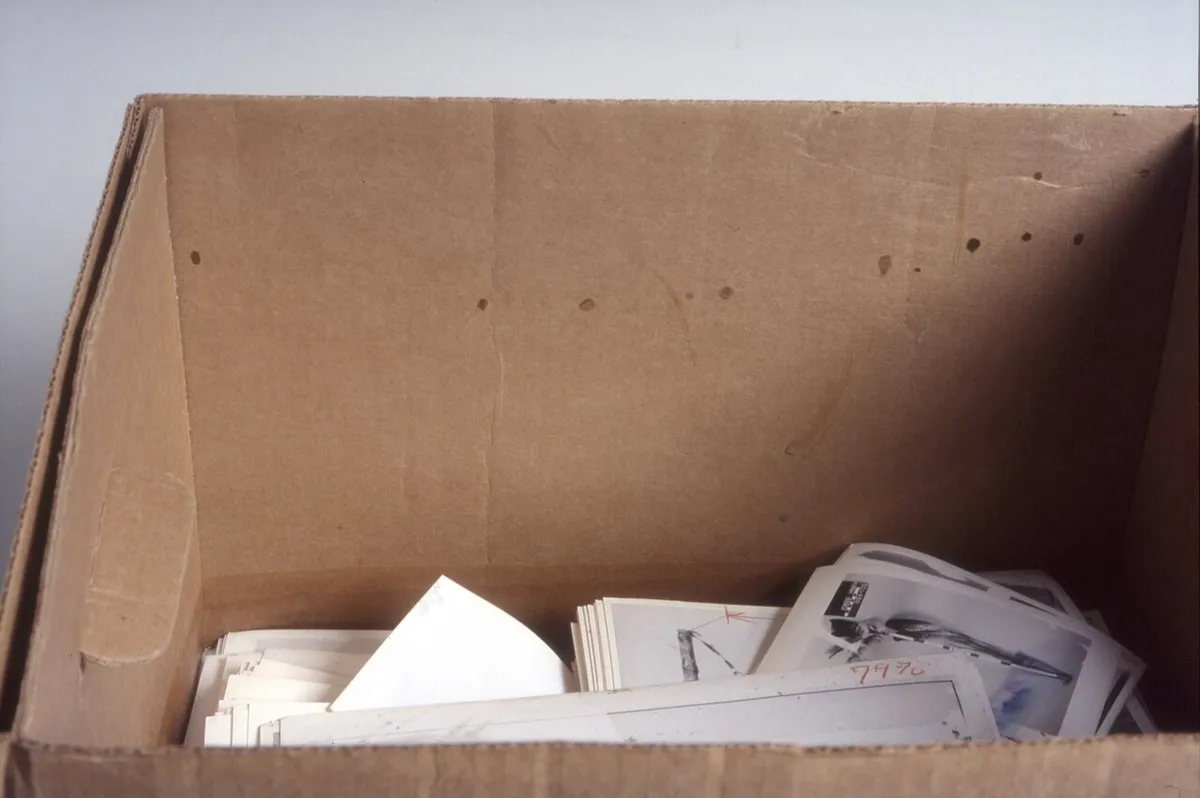
- Photographs and documents. Wet photos and papers can sometimes be saved if handled quickly. Do not pull stuck photos apart.
- Artwork and heirlooms. Ask about specialty conservation for valuable pieces.
- Firearms. Tell the crew if any are in the home so they can be handled properly or kept with you.
- Food and medicine. Open food and medicine that sat in heat or smoke are not worth the risk. List them for the claim, then discard them.
Keeping the claim organized
- Keep a running list of anything you buy while displaced: clothing, toiletries, meals and lodging.
- Save every receipt, physical or digital.
- Compare the pack-out inventory to your own memory of each room. Add anything missing.
- For high-value items, find purchase receipts, photos or appraisals if you have them.
Pack-outs in Downingtown homes
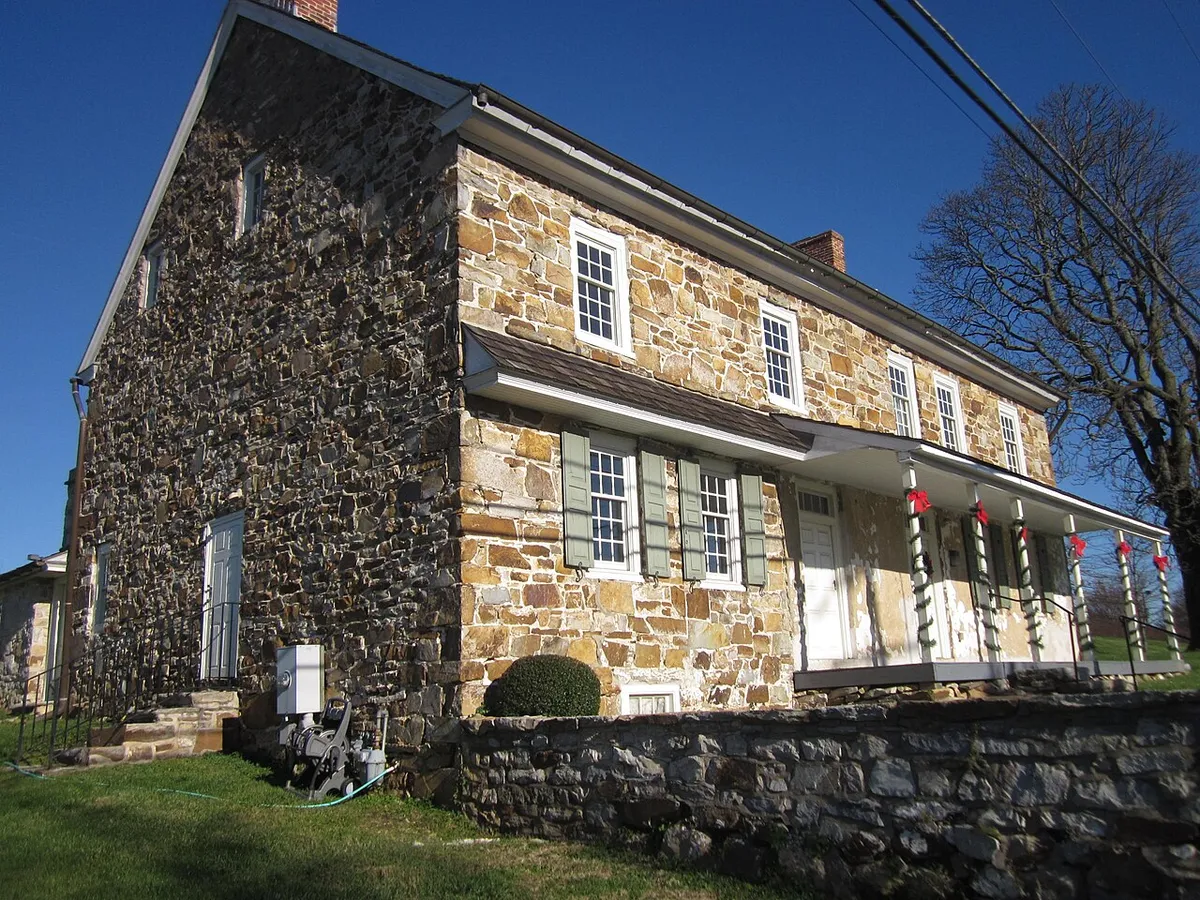
Downingtown has a mix of older homes near the center of the borough and newer neighborhoods in the surrounding townships. Older homes often have narrow stairs and small rooms, which slows a pack-out and needs careful wrapping of banisters and doorways. Newer homes may have finished basements full of storage that also need sorting. Our Downingtown service page covers how we stage jobs in tight spaces.
How to review the inventory
The inventory is the backbone of your contents claim, so spend real time with it.
- Check room totals. Every room in the house should appear, including closets, the attic, the garage and the basement.
- Look for grouped items. "Kitchen items, 3 boxes" is not enough for a claim. Ask for item-level lines on anything of value.
- Compare to photos. Phone photos from birthdays and holidays often show furniture, art and electronics in the background. They help you remember what was in each room.
- Mark sentimental items. Some things cannot be replaced with money. Flag them so they get extra care in cleaning.
- Note anything you took with you. Items that left the house before the pack-out should not show up as missing later.
Questions to ask the crew
- Where will my belongings be stored, and is the space climate controlled?
- How are boxes labeled and tracked?
- How will I know what was cleaned, what is waiting, and what was discarded?
- Can I see non-salvageable items before they are thrown out?
- How much notice do you need if I want something brought back early?
A well-run pack-out should never leave you wondering where a box is. If you ask about an item, someone should be able to find it on the list.
Getting your belongings back
The return of contents, sometimes called a pack-back, deserves the same care as the pack-out. Plan for it before the rebuild ends so your Downingtown home is not cluttered with boxes while trades are still working.
- Schedule the return after painting, flooring and final cleaning are done. Dust from finish work can settle on freshly cleaned items.
- Ask for the inventory list ahead of time and check boxes off as they come in. Open a sample of boxes in each room to confirm items came back clean and odor-free.
- Note anything missing, damaged or still smelling of smoke on the paperwork before the crew leaves. It is much easier to resolve a problem on delivery day than weeks later.
- Keep the items that were declared unsalvageable on your claim list, even after they are gone. Photos and the inventory record stand in for the item itself.
- Unpack the rooms you use most first: bedrooms, kitchen basics and work or school supplies. The rest can come out over time.
Keep copies of every inventory sheet and delivery receipt with your claim file. If your insurer reviews the contents portion later, that paper trail answers most questions.
Frequently asked questions
How long does a contents pack-out take?
A few rooms can often be packed in a day. A full house may take several days. Timing depends on volume, damage and access.
Will my belongings be stored somewhere safe?
They should be stored in a secure, climate-controlled space. Ask where items will go, who has access and how they are tracked.
Can I take things out of storage while my house is being repaired?
Usually yes, with notice. Ask the crew to pull specific boxes using the inventory numbers.
What if something is damaged during the pack-out?
Report it right away, with photos, and compare it to the pre-move photo in the inventory.
Sources
- U.S. Fire Administration: After the Fire
- USFA: After the Fire publication (PDF)
- Ready.gov: Home fires
- Pennsylvania Insurance Department
Need help with a pack-out?
Call (484) 293-9520 or use the quote form. We coordinate pack-outs, cleaning and building restoration for Downingtown and Chester County homeowners after fire and smoke damage or water damage.