
If a tree fell on your house, get everyone out of the damaged area, stay away from downed power lines, and call 911 if anyone is hurt, wires are down or you smell gas. Then call your utility, your insurance company and a storm damage crew to remove the tree safely and get the opening covered before more rain gets in.
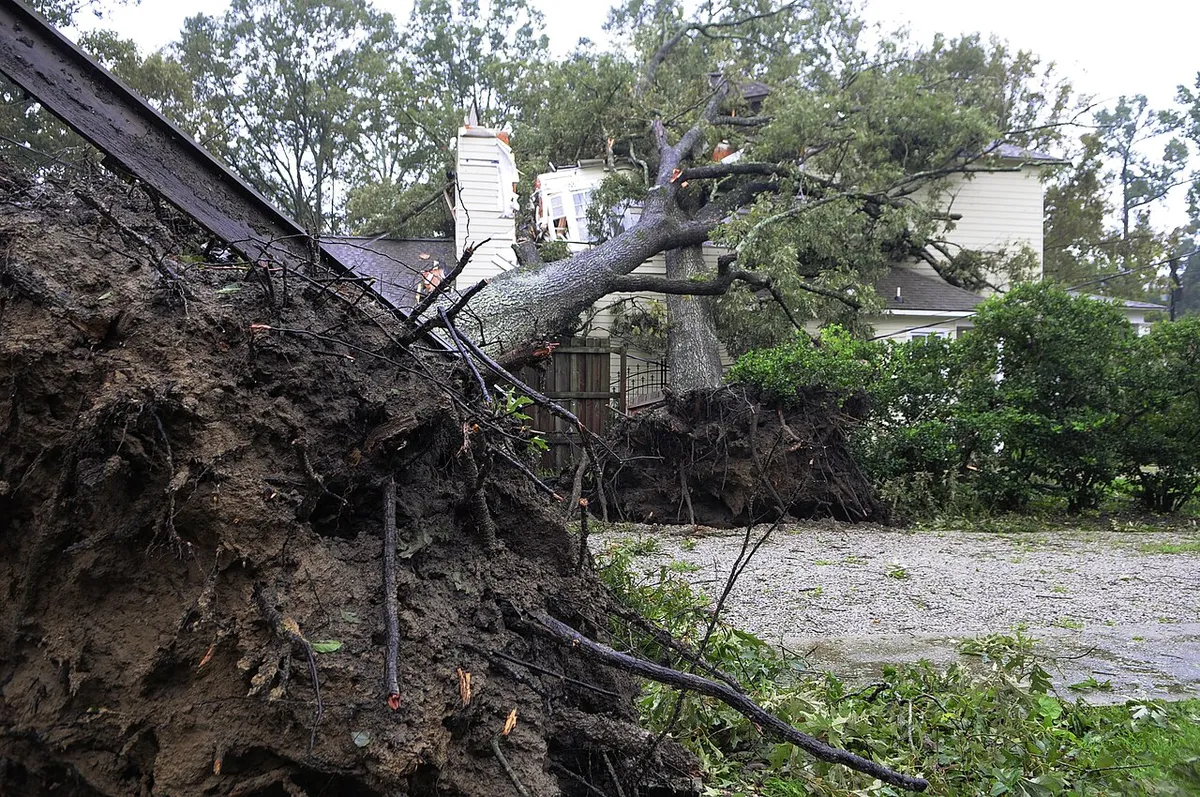
Coatesville and western Chester County see their share of thunderstorms, remnants of tropical systems and winter ice that bring down large trees. Older neighborhoods often have mature trees close to the house, and a single limb can puncture a roof.
Step 1: Safety first
- Get out of rooms under the tree. Damaged framing and ceilings can shift.
- Stay away from downed power lines. The National Weather Service says not to go near downed power lines and to report them (NWS: After a high wind event). Treat any wire as live, including wires tangled in the tree.
- Smell gas? Leave the house immediately and call 911 and your gas utility from outside.
- Do not climb on the roof or try to cut the tree yourself. Trees resting on a structure are under tension and can move suddenly when cut.
If the power is out and you use a generator, Ready.gov says generators and fuel should always be used outdoors and at least 20 feet away from windows, doors and attached garages (Ready.gov: Power outages).
Step 2: Make the calls
- 911 for injuries, fire, gas or wires down.
- Your electric utility to report lines down or damaged service connections.
- Your insurance company to open a claim. Ask what they need before the tree is removed.
- A storm damage crew to coordinate tree removal, tarping or boarding, and water mitigation.
Sign up for ReadyChesCo alerts from the Chester County Department of Emergency Services to get local warnings before the next storm.
Step 3: Document before anything moves
Insurance adjusters want to see the tree where it fell. Before removal:
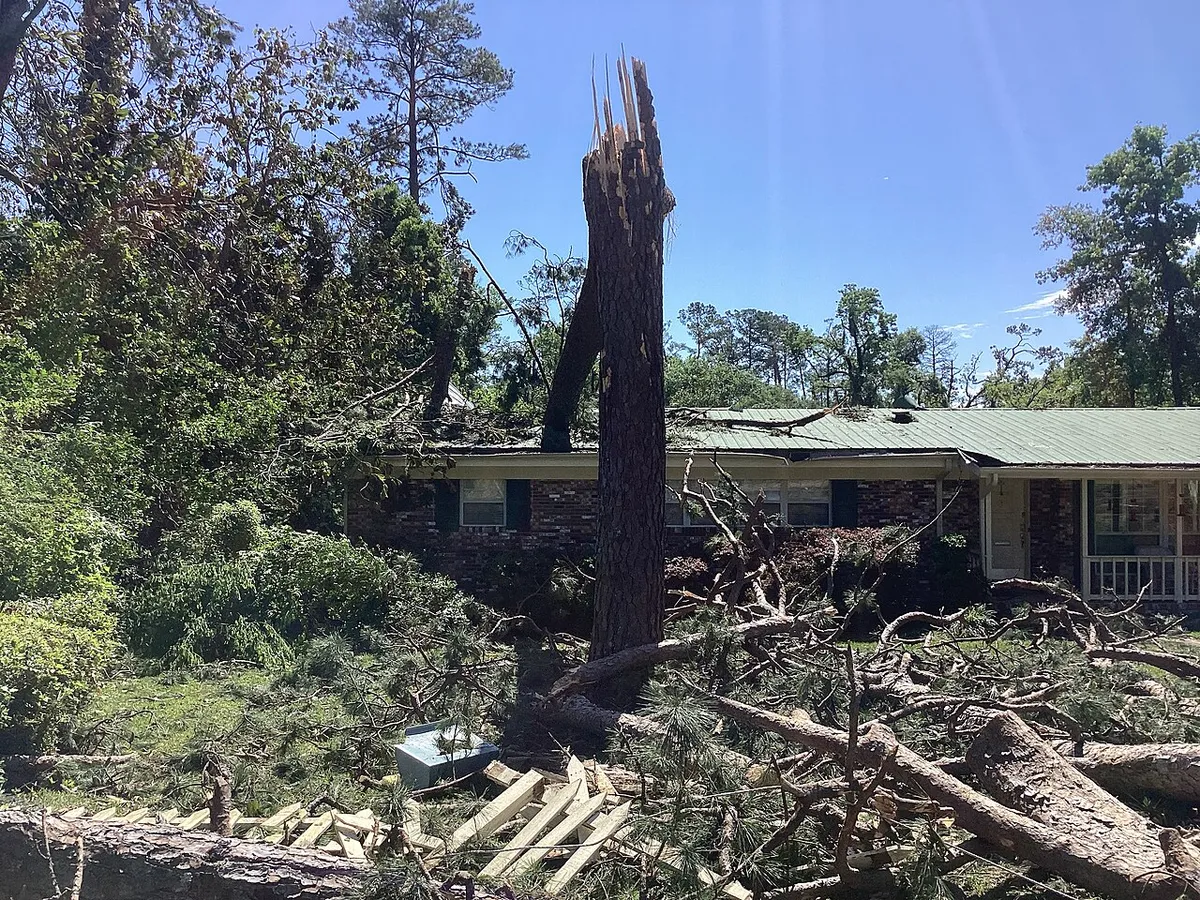
- Take wide photos of the house and tree from several angles.
- Photograph the damage inside: ceilings, walls, floors and belongings.
- Take a short video walk-through.
- Note the time and date of the storm.
If the tree must come off immediately for safety, take as many photos as you can first and keep receipts.
Step 4: Tree removal
Removing a tree from a roof is specialized work. Crews often use a crane or rigging to lift sections off without dropping them through the roof. Once the weight is off, the opening is visible and can be measured for temporary protection.
Step 5: Temporary protection
Rain through a hole in the roof is often what turns a repair into a rebuild. Temporary steps:
- Tarping over damaged roof sections, secured so wind cannot get under it. See our emergency roof tarp guide.
- Boarding broken windows and wall openings.
- Temporary bracing if structural framing is damaged.
Step 6: Water and interior cleanup
Interior damage often includes wet insulation, broken drywall, broken glass and debris. Wet materials should be dried quickly. The EPA recommends drying within 24 to 48 hours to prevent mold (EPA mold and moisture guide). Our water damage restoration crews set drying equipment after the opening is secured.
Step 7: Structural assessment and repair
Once the tree is off and the house is covered, the damage can be assessed:
- Roof framing. Rafters, trusses and ridge boards may be cracked or broken.
- Walls. Top plates and studs near the impact.
- Roofing, gutters and siding.
- Electrical service. A tree that hit the service drop or mast needs an electrician and the utility before power is restored.
Structural repairs may need permits. In older homes, check for lead paint and asbestos before demolition. Our rebuilding after a house fire guide explains those steps, and they apply to storm rebuilds too.
Insurance basics
Every policy is different, but common questions include:
- Was it a covered event? Wind and falling trees are often covered when they damage the house.
- Who pays for tree removal? Policies often treat removal of a tree that hit the house differently from a tree that fell in the yard without hitting anything.
- Whose tree was it? A neighbor's tree that falls on your house is usually still claimed on your own policy, but rules vary.
Check your policy and ask your agent. The Pennsylvania Insurance Department has consumer resources.
Before the next storm
- Have a qualified arborist look at large trees close to the house, especially ones with dead limbs, cracks or lean.
- Keep limbs trimmed back from the roof.
- Know where your main electrical panel and gas shutoff are.

What the first week usually looks like
Knowing the order of work helps you plan where to stay and what to ask.
- Day one: emergency calls, safety, photos, and if possible, tree removal and tarping. Water extraction starts once the opening is covered.
- Days two to four: drying equipment runs. Wet insulation, drywall and ceiling materials near the impact are removed. Your adjuster may schedule an inspection.
- Days four to seven: a structural assessment and repair scope. An engineer may be needed when rafters, trusses or walls are broken. Permit applications start.
- After that: framing repairs, roofing, then interior repairs.
Timelines stretch after big storms, when many homes in the same area need tree crews, roofers and adjusters at once. Get on schedules early and keep the temporary protection in good shape while you wait.
Trees that fall on the yard, fence or car
Damage to a car is usually handled through auto insurance, not homeowners. Fences, sheds and detached garages may have separate limits under a homeowners policy. Ask your agent how each one is handled before you hire anyone.
Protecting the inside while you wait
The outside gets the attention after a tree comes down, but the inside of the house is where costs can grow quietly. Once you know it is safe to be in the rooms that were not hit, a few steps help.
- Move furniture, electronics and boxes away from any wet ceiling or wall. Put towels or buckets under active drips.
- Do not stand under a sagging ceiling. A bulging ceiling can hold water and come down without warning. Keep people and pets out of that room.
- Keep the power off to any area where water is near outlets, fixtures or the panel, and let an electrician decide when it is safe.
- Close doors to damaged rooms to keep rain, debris and drafts from spreading through the house.
- Bag and set aside wet rugs, bedding and clothing, and photograph them first. Wet soft goods start to smell quickly in a closed house.
- Write down each room that took water, even a little. Small stains in a closet or attic are easy to forget when the estimate is written.
Once the opening is covered, drying can start. Moisture readings in walls, ceilings and floors show which rooms need equipment and which can be left alone.
Frequently asked questions
Should I stay in my house if a tree fell on it?
Not in damaged rooms. If the damage is limited and utilities are safe, some families stay in unaffected parts of the house. If you are unsure about structural safety, stay elsewhere until it is checked.
Who removes a tree from my roof?
A tree service with experience removing trees from structures, often coordinated by your storm damage contractor so tarping can follow immediately.
Can I cut the tree off my roof myself?
It is not safe. Trees resting on a house are under tension and can roll, drop or spring back when cut, and power lines may be involved.
How fast does the roof need to be covered?
As soon as the tree is off and it is safe to work. Rain entering the house is the main cause of extra damage after a tree strike.
Sources
- National Weather Service: After a high wind event
- Ready.gov: Power outages
- Chester County Department of Emergency Services: Alerts
- EPA: A Brief Guide to Mold, Moisture and Your Home
Tree on your roof?
Call (484) 293-9520 24/7 or use the quote form. We handle storm damage restoration in Coatesville and across Chester County.