
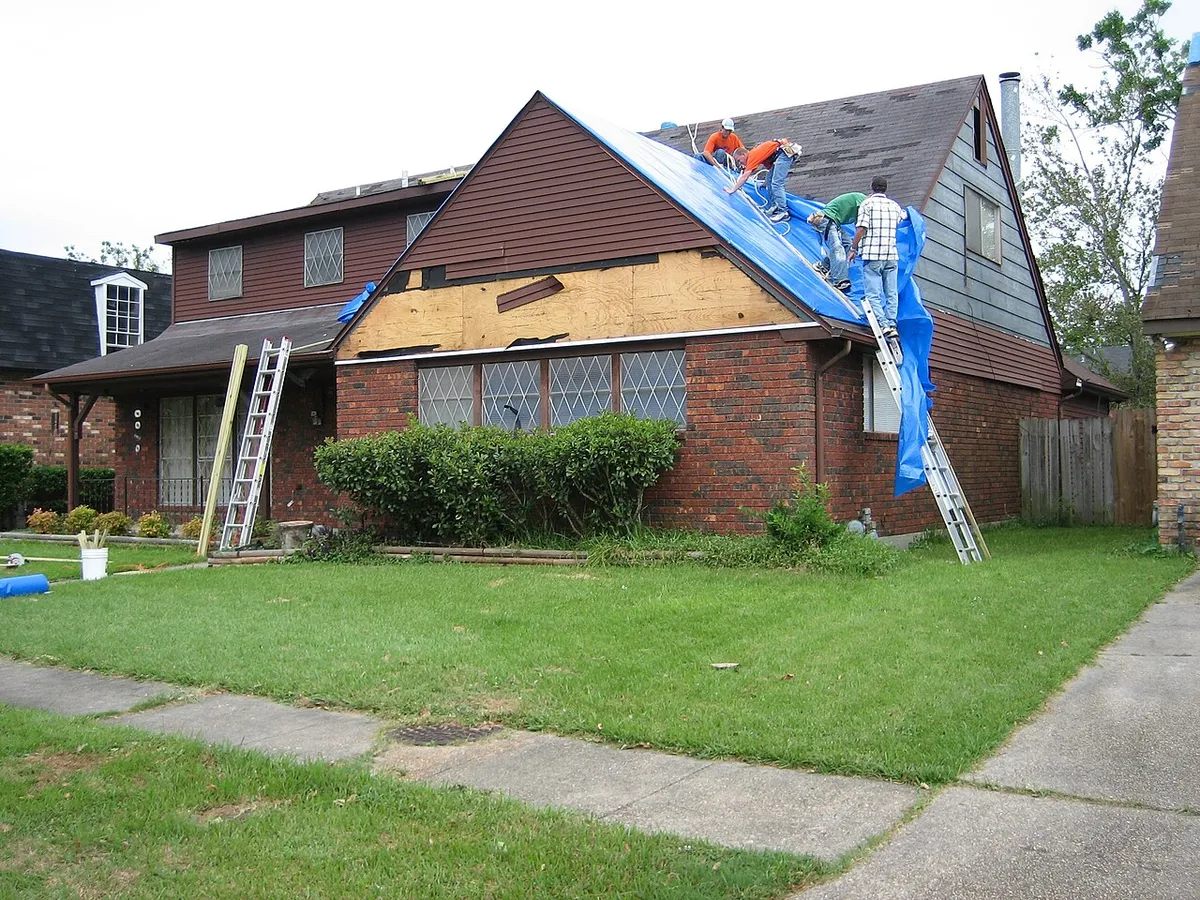
An emergency roof tarp is a temporary cover that keeps rain out of a storm-damaged roof until permanent repairs can be made. A good tarp extends well past the damage, runs over the ridge when possible, and is fastened with battens so wind cannot get under it. It is often the single step that keeps a roof repair from turning into a ceiling, insulation and flooring job.
Downingtown sits along the East Branch of the Brandywine and sees summer thunderstorms with strong winds, plus the occasional remnants of a tropical system. After a storm, shingles get torn off, limbs puncture decking and flashing peels back. Here is what tarping involves and when to call it in.
Signs you need a tarp
- Missing shingles or exposed underlayment or decking.
- A hole from a falling limb.
- Lifted or torn flashing around a chimney, vent or skylight.
- Water stains appearing on ceilings during or after the storm.
- Daylight visible through the roof deck from the attic.
Why tarping matters for your claim
Most homeowners policies expect you to take reasonable steps to prevent further damage after a loss. A tarp is the classic example. Keep receipts for emergency work and photograph the damage before and after the tarp goes on. Ready.gov, for example, advises inventorying damaged property and saving receipts for money spent after a loss (Ready.gov: Home fires), and the same habits help with storm claims.
How a proper roof tarp goes on
- Inspect from the ground and attic before anyone goes on the roof.
- Clear debris such as branches and loose shingles from the area.
- Size the tarp to extend several feet past the damage on all sides, and over the ridge if possible so water cannot run under the top edge.
- Secure with battens. Wood strips screwed through the tarp edges spread the load and resist wind better than nails alone.
- Seal the top edge where the tarp cannot go over the ridge.
- Check the attic afterward for new drips.
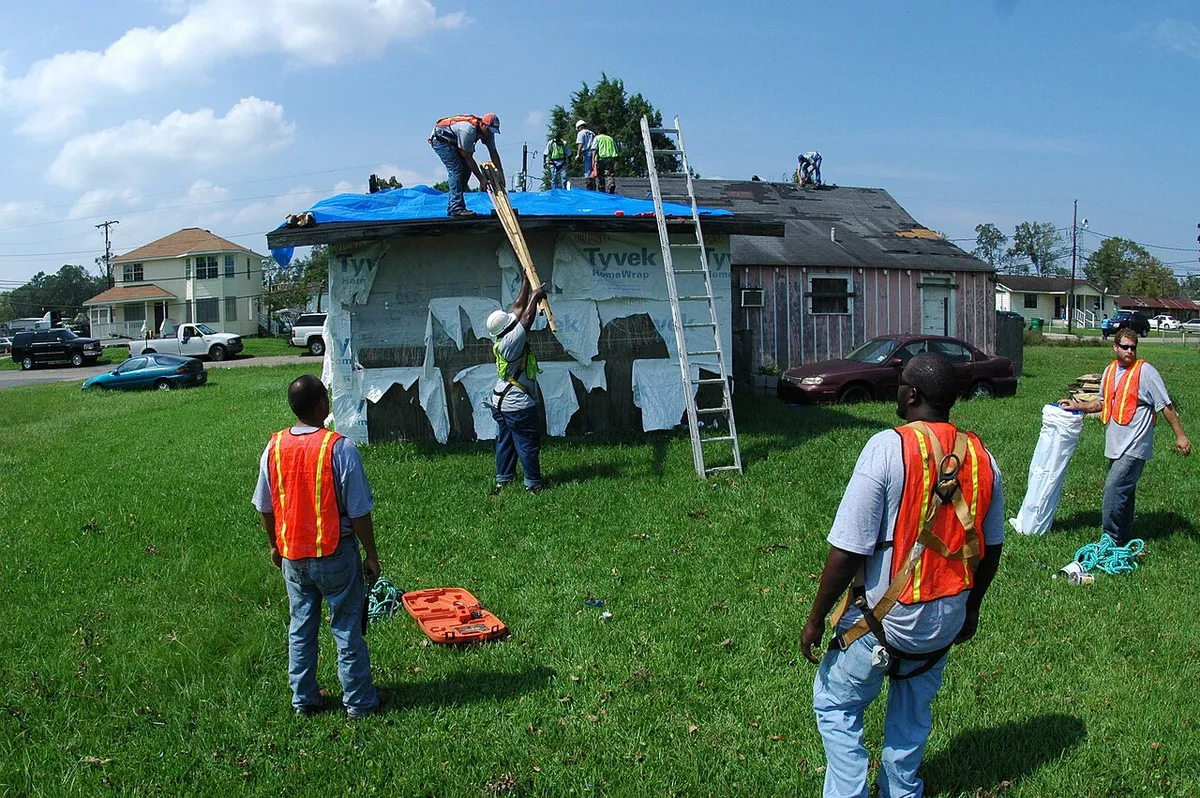
Blue roofs after disasters
After major disasters, FEMA and the U.S. Army Corps of Engineers run a program called Operation Blue Roof that installs reinforced plastic sheeting on damaged homes in declared disaster areas. Those programs are for specific federal declarations. For a typical Chester County storm, homeowners arrange tarping themselves or through a contractor.
The risks of DIY tarping
Roofs are dangerous after a storm. Wet shingles are slippery, decking may be weakened, and there may be power lines nearby. NWS advises staying away from downed power lines and reporting them (NWS: After a high wind event).
If you do any temporary work yourself, keep it to what you can reach safely from the ground or attic, such as placing buckets, moving belongings and taking photos. Leave roof work to people with fall protection.
What to do inside while you wait
- Catch drips and move belongings out of the way.
- Shut off power to any light fixtures or ceiling fans near wet areas.
- Check the attic for wet insulation, and pull back wet insulation from the drywall if it is safe to do so.
- Run fans and a dehumidifier in affected rooms if power is safe.
After the tarp is on
A tarp buys time. It is not a long-term fix. UV, wind and temperature changes wear tarps down. Plan for permanent repairs as soon as your adjuster and roofer agree on the scope.
Interior damage needs attention right away. The EPA recommends drying wet materials within 24 to 48 hours to prevent mold (EPA mold and moisture guide). Wet ceiling drywall and insulation are common after roof damage.
Hail and wind damage that is easy to miss
Not all storm damage is obvious. After a hailstorm or strong winds:
- Look for dents on gutters, downspouts and metal vents.
- Check for granules collecting at downspout outlets.
- Look for creased or lifted shingles, which may not leak until the next storm.
- Check siding and window screens for damage.
If you suspect damage, have the roof inspected and photograph what you see from the ground.
Choosing a contractor after a storm
Storms bring door-to-door contractors. Before you sign:

- Check Pennsylvania home improvement contractor registration at hicsearch.attorneygeneral.gov. The Attorney General notes that registration is not an endorsement.
- Get a written estimate and contract.
- Do not sign over insurance benefits without understanding what you are agreeing to.
- Do not pay in full before work is done.
What to photograph for the claim
Good photos make the difference between a quick claim and a long back-and-forth. From the ground and inside the house, take:
- Wide shots of each side of the house showing the roof.
- Close-ups of missing shingles, torn flashing, holes and debris, using your phone's zoom from the ground.
- The attic underside of the damaged area, including wet sheathing and insulation.
- Interior ceilings and walls with stains or drips, with something in the frame for scale.
- The tarp after installation, so the adjuster sees that you protected the home.
- Debris on the ground, such as shingles, limbs and gutter pieces.
Keep the photos in one album with the date of the storm. If you hired emergency tarping, keep the invoice and any photos the crew took from the roof.
Check the tarp after each storm
Look at the tarp from the ground after strong wind or heavy rain. Loose corners, flapping edges or water pooling on top mean it needs attention. A failed tarp can let in more water than the original damage did.
How long a tarp should stay on
A tarp is a stopgap. It is meant to keep water out until the roof is properly repaired, not to replace the repair. In Downingtown, wind, sun and freezing nights all wear on a tarp and its fasteners.
- Look at the tarp from the ground after every windy day or heavy rain. Flapping edges, pooled water or a torn corner mean it needs attention.
- Check the ceiling under the damaged area for new stains. A dry ceiling is the best sign the tarp is doing its job.
- Do not climb up to fix it yourself. Call whoever installed it.
- Keep the receipt and photos of the installed tarp with your claim. Temporary repairs are usually part of the claim, and your insurer may ask how the roof was protected.
- Book the permanent repair as soon as the adjuster has seen the damage. The longer a tarp stays on, the more chances wind has to lift it.
When the roofer removes the tarp, ask them to look closely at the decking underneath. Wood that stayed wet under a leak may need to be replaced before new shingles go on.
Frequently asked questions
How long can a roof tarp stay on?
A tarp is meant to be temporary. It can last weeks if installed well, but sun and wind wear it down. Plan permanent repairs as soon as possible.
Does insurance pay for emergency tarping?
Many policies cover reasonable emergency repairs to prevent further damage. Keep receipts and photos, and confirm with your insurer.
Can I put a tarp on my roof myself?
Roof work after a storm is risky. If you are not trained and equipped for roof work, keep to safe steps from the ground and inside, and have a crew handle the roof.
What if water is already coming in?
Catch the water, shut off power to wet fixtures, move belongings and call for help. Interior drying should start as soon as the roof is covered.
Sources
- National Weather Service: After a high wind event
- EPA: A Brief Guide to Mold, Moisture and Your Home
- PA Attorney General: Home improvement contractor registration
- U.S. Army Corps of Engineers: Operation Blue Roof
- Chester County: Severe thunderstorms
Roof damaged in a storm?
Call (484) 293-9520 24/7 or use the quote form. We provide emergency tarping and storm damage restoration for Downingtown and Chester County homes.