
Commercial water damage restoration is about limiting downtime as much as fixing the building. The fastest recoveries happen when the business already knows where its shutoffs are, who is authorized to approve emergency work, how to reach the property manager and insurer, and which areas must reopen first. Then the restoration crew can stop the damage, dry or clean in phases, and get people back to work.
Exton is a commercial hub for the county, with office parks, retail along Route 100 and Route 30, medical practices and light industrial space. A sprinkler line break over a weekend or a fire in a neighboring suite can close a business for days. This guide covers how commercial losses differ and how to prepare.
How commercial losses differ from residential
- Shared buildings. Water and smoke cross tenant lines. Multiple tenants, the landlord and several insurers may be involved.
- Business interruption. Every day closed costs money. Phased work matters.
- Larger systems. Sprinkler systems, rooftop units, commercial plumbing and building-wide HVAC.
- Materials. Suspended ceilings, carpet tile, demountable partitions, commercial flooring and lots of electronics and paper.
- Access and security. After-hours work, key control and records protection.
- Occupant communication. Staff, customers and patients need clear information.
Before a loss: a short readiness plan
Ready.gov's business resources encourage businesses to develop emergency plans in advance (Ready.gov: Business). For water and fire losses, a one-page plan should include:
- Shutoff locations for water, gas, electricity and sprinkler control valves, with photos.
- Emergency contacts: property manager, building engineer, insurer, alarm company, IT provider, and a restoration contractor.
- Authorization: who can approve emergency work after hours.
- Priority areas: server rooms, records, medical equipment, inventory, and customer-facing spaces.
- Floor plans marked with equipment, records storage and exits.
- Records backup for critical files.
Commercial water damage
Common sources
- Sprinkler pipe breaks, often from freezing in unheated areas.
- Roof leaks and rooftop unit condensate overflows.
- Restroom and kitchenette plumbing failures.
- Water heater or boiler failures.
- Flooding from heavy rain.
Response
- Stop the water and, for sprinkler events, coordinate with the fire protection contractor and fire department.
- Protect electrical equipment and server rooms.
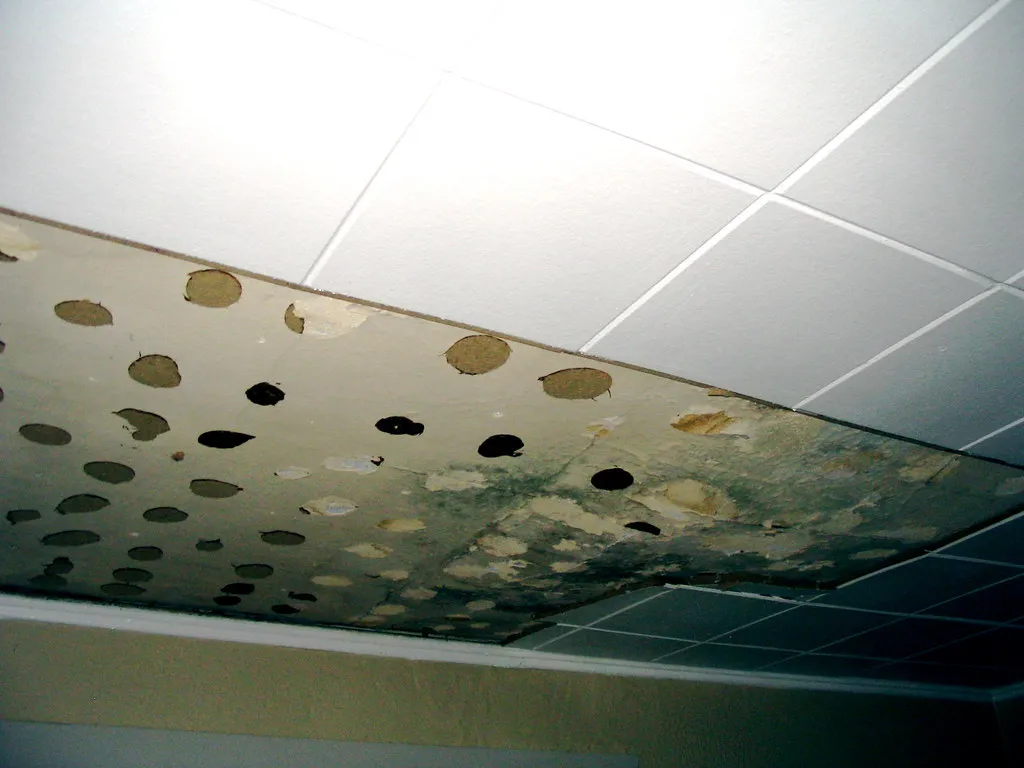
- Extract water and remove wet ceiling tiles that could fall.
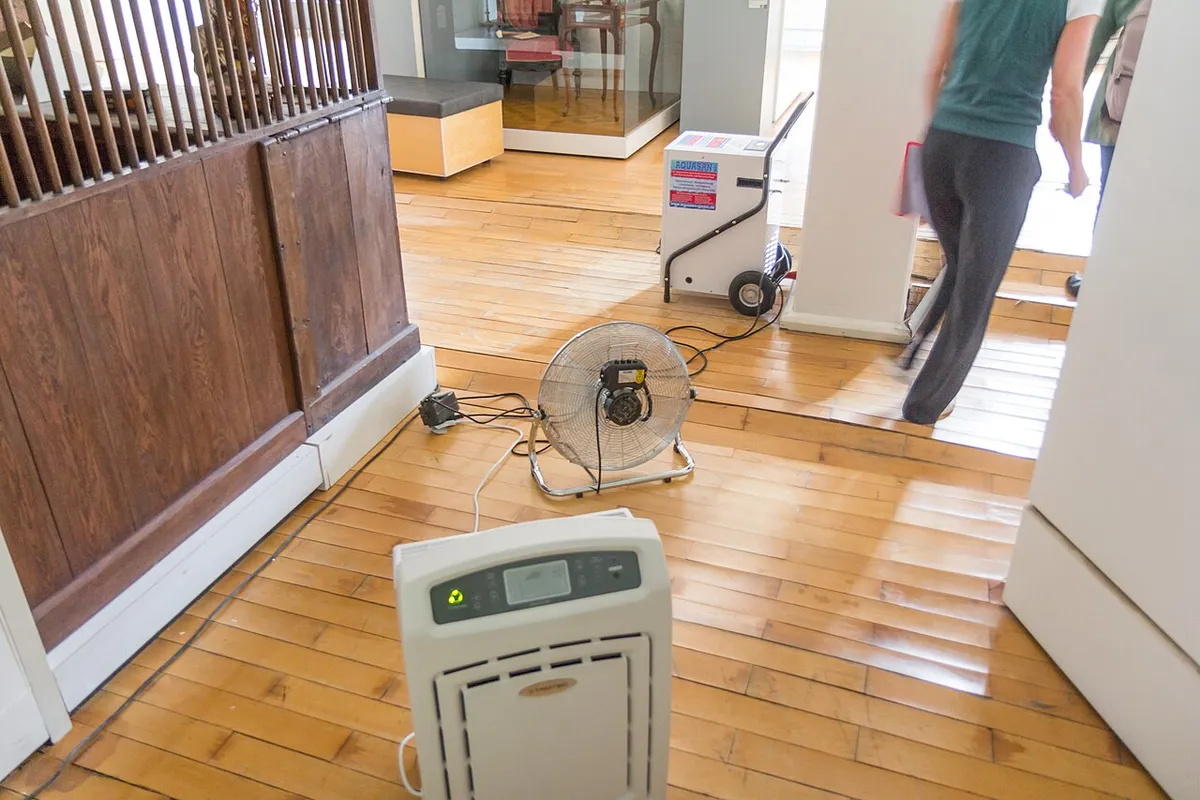
- Dry in phases so unaffected areas can stay open where possible.
- Monitor moisture and document readings for the insurer.
EPA's general guidance is to dry water-damaged materials within 24 to 48 hours to prevent mold growth (EPA mold and moisture guide). For larger buildings, EPA's guide to mold remediation in schools and commercial buildings covers cleanup methods and includes an appendix on communicating with building occupants.
Commercial fire and smoke damage
Smoke travels through ceiling plenums, HVAC systems and shared walls. A small fire in one suite can leave soot and odor in several.
- Board-up and security of the affected suite.
- HVAC shutdown and filter replacement to stop the spread.
- Soot cleanup on surfaces, ceiling grids and contents. See our soot damage cleanup guide.
- Electronics evaluated before being powered on.
- Records and documents packed and cleaned.
- Odor control after source removal. See smoke odor removal methods.
Working while you recover
- Phase the work. Separate the work area with containment so other parts of the space can open.
- Night and weekend work for noisy or dusty tasks.
- Temporary relocation of key staff.
- Clear signage and communication.
Medical and food businesses
Medical offices, dental practices and food service businesses have extra rules on cleanliness and equipment. Involve the practice's compliance contact or the business owner early so restoration steps match those requirements. Keep sterile supplies and food out of affected areas until cleared.
Insurance and documentation
- Notify your insurer and the landlord in writing.
- Photograph everything before work starts.
- Keep daily logs of moisture readings, work done and areas affected.
- Track business interruption costs separately.
- Confirm which party's policy covers which part of the building.
Choosing a commercial restoration partner
- Ask about after-hours response and phased work.
- Ask how they document moisture and progress.
- Ask how they protect electronics and records.
- Ask how they communicate with tenants and staff.
- Confirm insurance and any required registrations.
Protecting electronics, records and inventory
For many businesses, the building is not the most valuable thing in it.
- Servers and network gear. Shut down and disconnect power if water is approaching, if it is safe to do so. Move portable equipment out of the affected area. Do not power on wet or smoke-exposed equipment until your IT provider checks it.
- Paper records. Wet records can sometimes be saved by freezing them quickly and drying them later. Keep wet boxes together and labeled. Do not stack wet boxes, which crushes the bottom layers.
- Patient and client files. Keep chain of custody in mind. Know who has access to records during the job.
- Inventory. Separate damaged, possibly damaged and unaffected stock. Photograph each group. Your insurer will want to see it.
- Specialty equipment. Medical, dental and lab equipment often has manufacturer requirements for cleaning and reuse.
Communicate early
Tell staff what is happening, where to report and when. Post a notice for customers and update your phone greeting and website if you need to close. Short, honest updates reduce the questions that slow everyone down.
Communicating with staff, tenants and customers
Clear communication keeps a loss from turning into lost trust. Exton businesses that plan what to say, and who says it, usually recover with less confusion.
- Name one person to speak with the restoration crew, the insurer and the property manager. Mixed instructions slow the work down.
- Tell staff which areas are closed, where to park and enter, and whether they should work from home. Update them as areas reopen.
- If you lease the space, notify the landlord or property manager right away. Lease terms often say who handles repairs to the building and who handles contents and improvements.
- In a shared building, let neighboring tenants know about water or smoke that may have reached them.
- Post simple notices for customers about hours, closed areas and how to reach you. Update your website and phone greeting too.
- Keep a short log of who was told what and when.
Ready.gov's business resources include planning steps for keeping operations going after an emergency. A plan written before a loss makes all of this easier.
Frequently asked questions
How quickly can a business reopen after water damage?
It depends on the size of the loss and the materials affected. With phased drying, parts of a business can sometimes reopen while work continues in other areas.
Who is responsible for repairs in a leased space?
Your lease spells out what the landlord and tenant are each responsible for. Usually the landlord covers the building structure and the tenant covers improvements and contents, but leases vary.
What should I do if a sprinkler head goes off?
Close the sprinkler control valve only if authorized and safe, call the fire department and your fire protection contractor, and protect electronics. Then start water extraction.
Do you work with property managers?
Yes. We coordinate with building engineers, managers and tenants to schedule work and keep everyone informed.
Sources
- Ready.gov: Business
- EPA: A Brief Guide to Mold, Moisture and Your Home
- EPA: Mold remediation in schools and commercial buildings
- USFA: After the Fire, Returning to Normal (PDF)
Water or fire damage at your business?
Call (484) 293-9520 24/7 or use the quote form. We handle water damage and fire and smoke damage for Exton businesses. See our Exton page.