
Attic mold usually grows on the underside of the roof sheathing when warm, moist air from the house leaks into a cold attic and condenses there in winter. Bathroom fans venting into the attic, air leaks around lights and hatches, and blocked soffit vents are the common causes. Fix the moisture source first, then clean or treat the affected wood. Cleaning without fixing the cause brings the mold back.
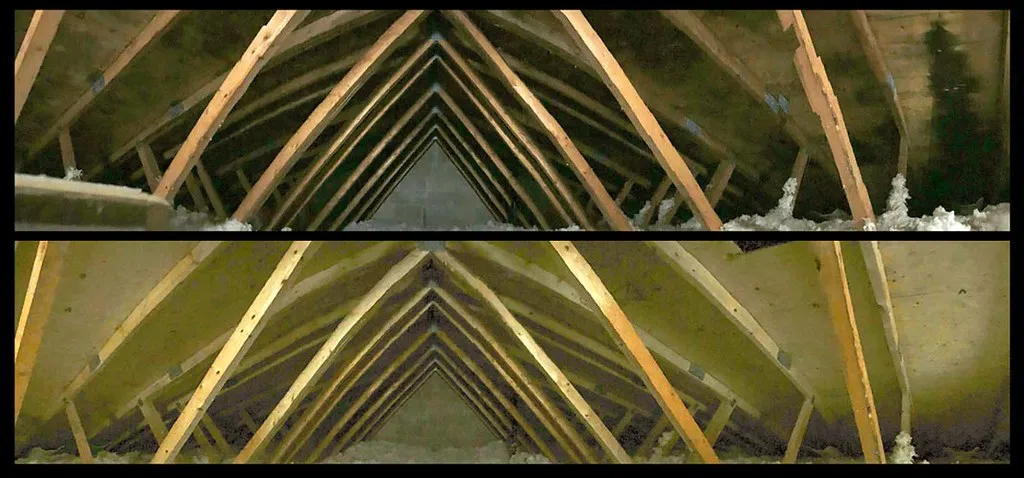
Chester Springs homes range from stone farmhouses to newer homes on larger lots. Older homes often have attics that were insulated and modified over decades. Newer homes can have complex rooflines with hard-to-vent sections. Either way, we see attic mold most often in spring, after a winter of condensation.
How attic mold starts
Houses produce moisture from showers, cooking, laundry, breathing and plants. Warm indoor air holds that moisture. When it leaks into a cold attic through gaps in the ceiling, it hits roof sheathing that is near outdoor temperature. The moisture condenses or frosts on the wood. When it melts, the wood stays damp. Repeated over a winter, that is enough for mold.
The EPA puts the core rule simply: the key to mold control is moisture control (EPA mold and moisture guide).
Common causes
- Bath or kitchen fans venting into the attic instead of outdoors.
- Dryer vents disconnected or ending in the attic.
- Air leaks around recessed lights, attic hatches, plumbing and wiring holes, chimney chases and top plates.
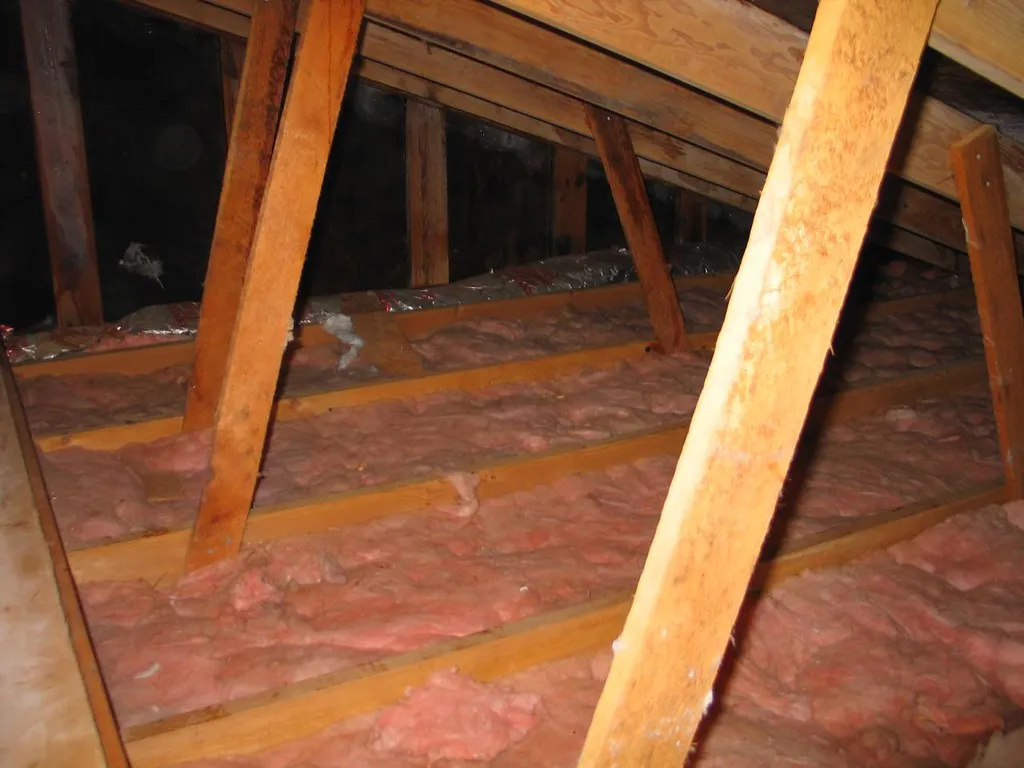
- Blocked soffit vents from insulation pushed against them.
- Not enough ventilation at the ridge or gables.
- Roof leaks or ice dams that wet the sheathing. See our ice dam ceiling leak guide.
- High indoor humidity, especially in tight homes or homes with humidifiers running hard.
- HVAC equipment in the attic with leaking ducts or condensate problems. See our guide to an AC leaking through the ceiling.
Signs of attic mold
- Dark gray or black staining on the underside of the roof sheathing, often heaviest on the north side or near the eaves.
- Frost on nails and sheathing in winter.
- Damp or compressed insulation.
- Musty smell when you open the attic hatch, or upstairs on humid days.
- Rusty nail tips poking through the sheathing.
- Water stains on upstairs ceilings.
Not all dark wood is mold
Old sheathing can be darkened by age, and some staining is from past water that has since dried. A closer look, and sometimes sampling, tells the difference. What matters most is whether the wood is still getting wet.
What to do
- Find the moisture source. Check every fan duct, look at the soffits from inside the attic, and look for gaps around penetrations.
- Check the roof. Look for leaks around chimneys, vents and valleys.
- Fix the cause. Vent fans outdoors, air seal the ceiling, clear soffit vents, and add ventilation if needed.
- Treat the mold. Clean or treat affected sheathing and framing. Remove and replace wet or moldy insulation.
- Recheck after the next winter.
Cleaning attic mold
Attic mold cleanup is dusty, cramped and hot. EPA's guide lists gloves, goggles and an N-95 respirator as protective equipment for mold cleanup (EPA mold and moisture guide). EPA also says that if mold covers more than about 10 square feet, consult its guide for larger remediation jobs.
Professional attic mold remediation often includes:
- Containment so attic dust does not get into living space.
- HEPA vacuuming of surfaces.
- Cleaning or treating sheathing and framing.
- Removing contaminated insulation.
- Sealing treated wood in some cases.
- New insulation after air sealing.
Health and your home
EPA notes that molds produce allergens and irritants, and that they can trigger asthma attacks in people with asthma who are allergic to mold (EPA mold and moisture guide). Attic mold does not always affect air in the living space, but air leaks that carry moisture up can carry air back down when pressures change. Air sealing helps in both directions.
Older stone homes
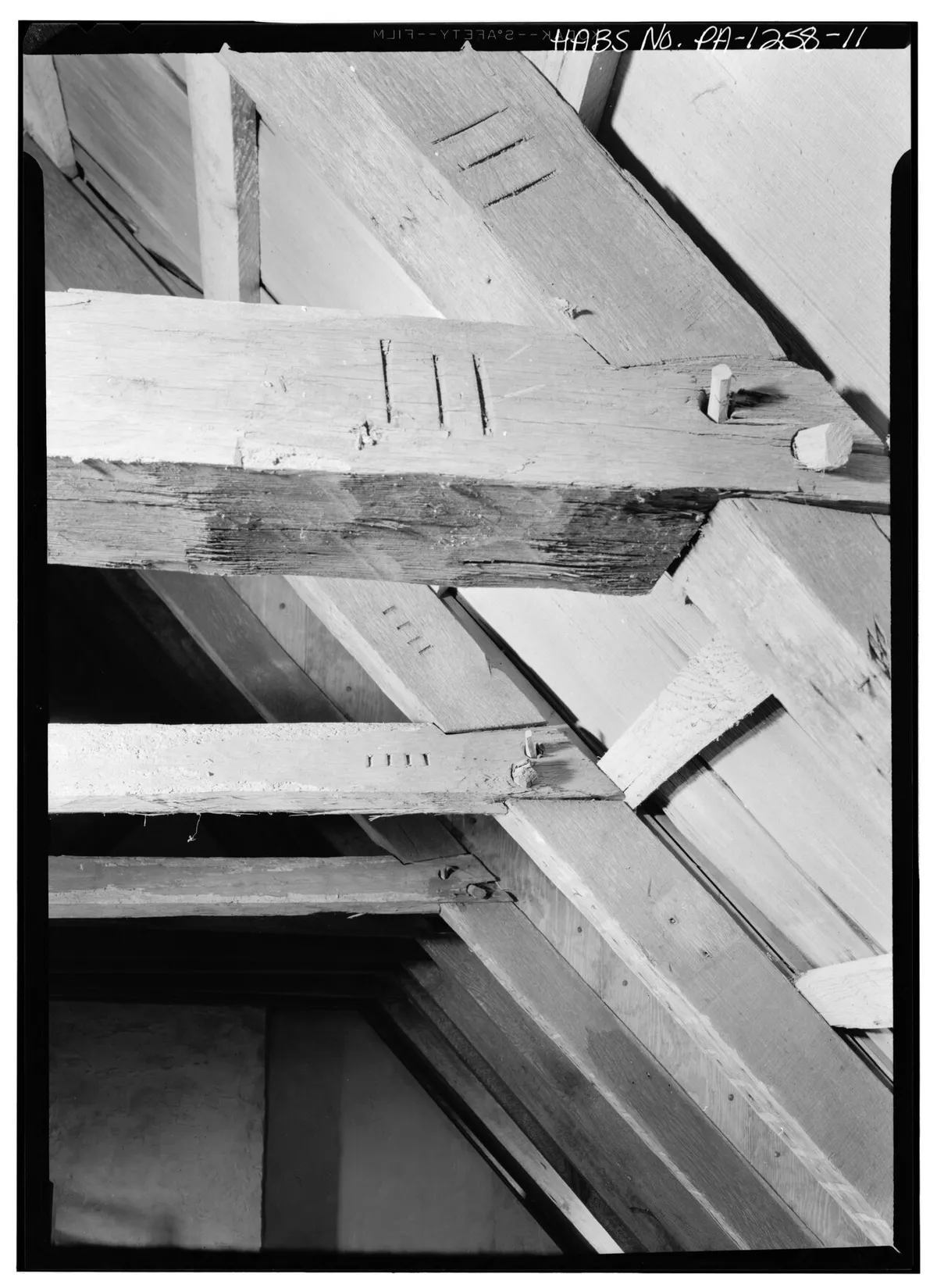
Older homes in Chester Springs and the surrounding townships often have thick stone walls, steep roofs and attics that were used for storage or living space at different times. Knee walls, finished attic rooms and old dormers create small, hard-to-vent spaces. These spaces need a tailored plan rather than more vents added at random. Our Chester Springs mold removal page explains how we assess older homes.
Checking your attic safely
Attics are hot in summer, slippery with insulation and often have nails poking through the roof deck. If you go up yourself:
- Go in cool weather or early morning. Summer attics can get dangerously hot.
- Step only on framing or on boards laid across the joists. The ceiling drywall below will not hold your weight.
- Wear a hat or bump cap, long sleeves, gloves, eye protection and an N-95 respirator.
- Bring a good flashlight and a phone for photos.
- Do not disturb insulation more than needed. Older homes may have vermiculite insulation, which can contain asbestos. EPA advises leaving suspect material alone and having it checked by a trained professional.
What to photograph
- The underside of the roof deck on each side of the ridge.
- Every bath fan and duct, including where it ends.
- Soffit areas, to show whether vents are blocked.
- Any frost, staining or wet insulation.
- The hatch and any gaps around pipes, wires and chimneys.
Photos give a contractor a head start and help you compare conditions next winter after the fixes are in.
Attic mold and home sales or inspections
Attic mold often comes up during a home inspection, whether you are buying or selling in Chester Springs. A calm, organized response helps both sides.
- If you are selling, find out what caused the staining and whether it is still active. Moisture readings and a look at bath fans, ventilation and air sealing answer that question better than a guess.
- Keep records of any work: who did it, what was cleaned, what was fixed, and photos before and after.
- If you are buying and the inspector notes possible mold, ask what the moisture readings showed and whether the staining looks old or active.
- Old staining with dry wood is a different situation than damp sheathing with active growth. A qualified inspector or mold professional can help tell the difference.
- Check whether the moisture source has been corrected. EPA guidance is clear that mold will likely come back if the water problem is not fixed.
Documentation is what turns a worrying line in an inspection report into a known, handled item.
Frequently asked questions
Is attic mold dangerous?
It can affect air quality, especially for people with allergies or asthma. It also signals a moisture problem that can damage the roof deck over time. Fix the moisture and clean the mold.
Can I just spray attic mold with bleach?
Spraying does not fix the cause. EPA says that if you clean up mold but do not fix the water problem, the mold will most likely come back. Attic sheathing also needs the right cleaning method and protective gear, so treat bleach as a shortcut that skips the real work.
Will attic mold affect selling my home?
Buyers' inspectors often look in the attic. Documented moisture fixes and cleanup can help explain past staining.
How do I prevent attic mold?
Vent fans outdoors, air seal the ceiling, keep soffit vents clear, and keep indoor humidity in check. EPA recommends below 60 percent, ideally 30 to 50 percent.
Sources
- EPA: A Brief Guide to Mold, Moisture and Your Home
- EPA: Mold cleanup in your home
- EPA: Moisture control guidance for building design, construction and maintenance
Found stains in your attic?
Call (484) 293-9520 or use the quote form. We handle mold removal in Chester Springs and across Chester County.