
Lithium battery fire damage needs extra caution because the battery can reignite after it looks out, and the smoke leaves a harsh, chemical residue. Get everyone out and call 911, let the fire department remove the battery, keep the area closed off, and have a professional handle cleanup of residue on surfaces and contents.
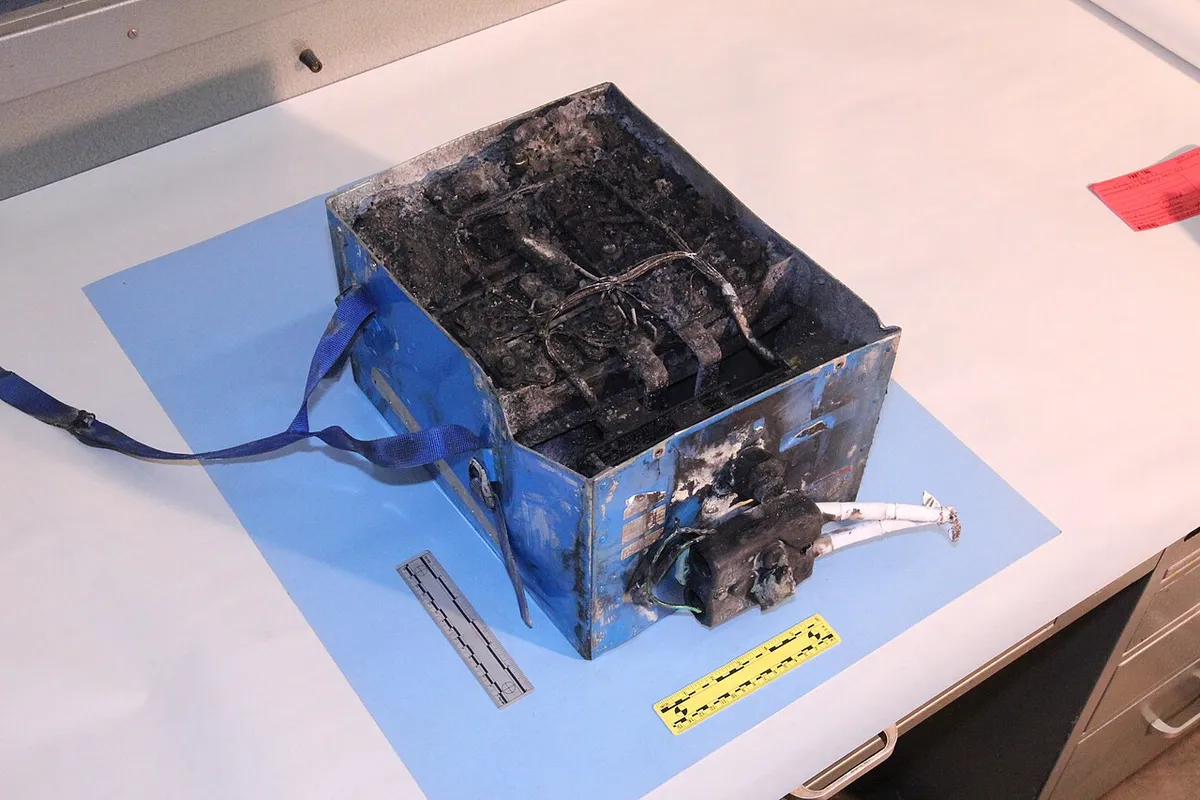
E-bikes, scooters, hoverboards, laptops, power tool packs and phone chargers are in almost every home now. In a college town like West Chester, with plenty of apartments and shared houses near the university, a lot of those batteries charge in bedrooms and hallways. When one fails, the fire is different from a pan fire or a candle.
Why lithium-ion battery fires are different
The U.S. Fire Administration describes several risks that set these fires apart (USFA: Risks and response strategies for lithium-ion battery fires):
- Thermal runaway. A chain reaction of uncontrolled heating inside the battery that can lead to fire or explosion.
- Flammable gases. Damaged or overheated cells can vent flammable gases.
- Ejection. Cells can be thrown from a pack, starting secondary fires in other spots.
- Reignition. Even after the fire is put out, the battery can reignite.
USFA's warning signs include cracking, bulging, popping or hissing, visible gases venting and rising temperature. USFA also says that if a lithium-ion battery fire occurs, you should not try to put it out yourself: evacuate and call 911 (USFA community education).
What to do in the first hours
- Get out and call 911. Close the door to the room behind you if you can do it safely.
- Let the fire department handle the battery. Do not pick up a battery pack that was on fire, even if it looks cold.
- Do not re-enter until cleared. Ask the fire department whether the area is safe and whether utilities are safe to use.
- Ask where the battery went. Firefighters usually remove it from the home. If any damaged batteries or devices remain, ask how to store them until disposal.
- Ventilate only when cleared. Battery smoke is irritating. Open windows to move air out, and keep the HVAC off.
- Photograph everything before cleanup: the device, the charging spot, walls, ceilings and nearby contents.
- Call your insurance company and ask what they need documented.
What the residue looks like
Battery fire smoke often leaves a dark, greasy or gritty film, and sometimes metallic debris near the source. The odor is sharp and chemical, different from wood smoke. Because the smoke can carry compounds from the battery and from burned plastics in the device, we treat it with more caution than ordinary household soot.
Where it spreads
- The charging location and the wall and ceiling above it.
- Along the ceiling into hallways, especially in homes with open stairs.
- Into closets and soft goods near the room.
- Through the HVAC system if it was running.
Cleanup: what we do differently
- Protective equipment. Technicians use respirators, gloves and eye protection suited to chemical residue.
- Debris removal. Any remaining device parts, melted plastic and fragments are bagged separately from general debris.
- HEPA vacuuming before any wet cleaning, to avoid smearing.
- Surface testing. Cleaners are tested on each finish. Residue near the source is often removed with the affected drywall or flooring.
- Contents sorting. Electronics, fabrics and items with porous surfaces from the fire room get careful evaluation. Some are cleaned, many are documented for the claim and discarded.
- Air scrubbing throughout the job.
- Odor control after source cleaning. Our guide to smoke odor removal methods explains the options.
Water damage after battery fires
Battery fires can take a lot of cooling to bring under control. That means water may have soaked floors, walls and the ceiling below. Drying needs to start fast. If the fire was on an upper floor, check the rooms below for wet ceilings and stains. Our water damage restoration crew handles drying alongside the smoke cleanup.
Prevention tips from USFA
USFA's battery safety page lists practical habits (USFA: Battery fire safety). Among them:
- Stop using a battery if you notice an odor, change in color, too much heat, change in shape, leaking or odd noises.
- Store lithium-ion batteries at room temperature when possible, and do not charge them below 32°F or above 105°F.
- Do not put lithium-ion batteries in the trash. Recycle them at a battery recycling location.
- Store spare batteries away from anything that can burn.
USFA's community guidance adds: use the charger that came with the device or one from a reputable supplier, unplug a device that is noticeably hot while charging, and do not charge a large device like an e-bike or scooter in a way that blocks an exit route (USFA community education).
For shared housing near campus
If you live in a shared house or apartment, agree on where e-bikes and scooters charge. A hallway or the spot by the front door may feel convenient, but it is also your way out. A room with a working smoke alarm, away from exits and soft furniture, is a better choice.
Landlords and property owners
If you own rentals in West Chester, a battery fire in one unit can affect others through shared walls, ceilings and ducts. Inspect neighboring units for smoke and odor, document conditions in each, and keep communication in writing. Our West Chester service page covers how we handle multi-unit buildings near campus.

What to check in the rest of the house
Battery fires are often short and violent, so residue can travel farther than the burned spot suggests. After the fire department clears the home, look at:
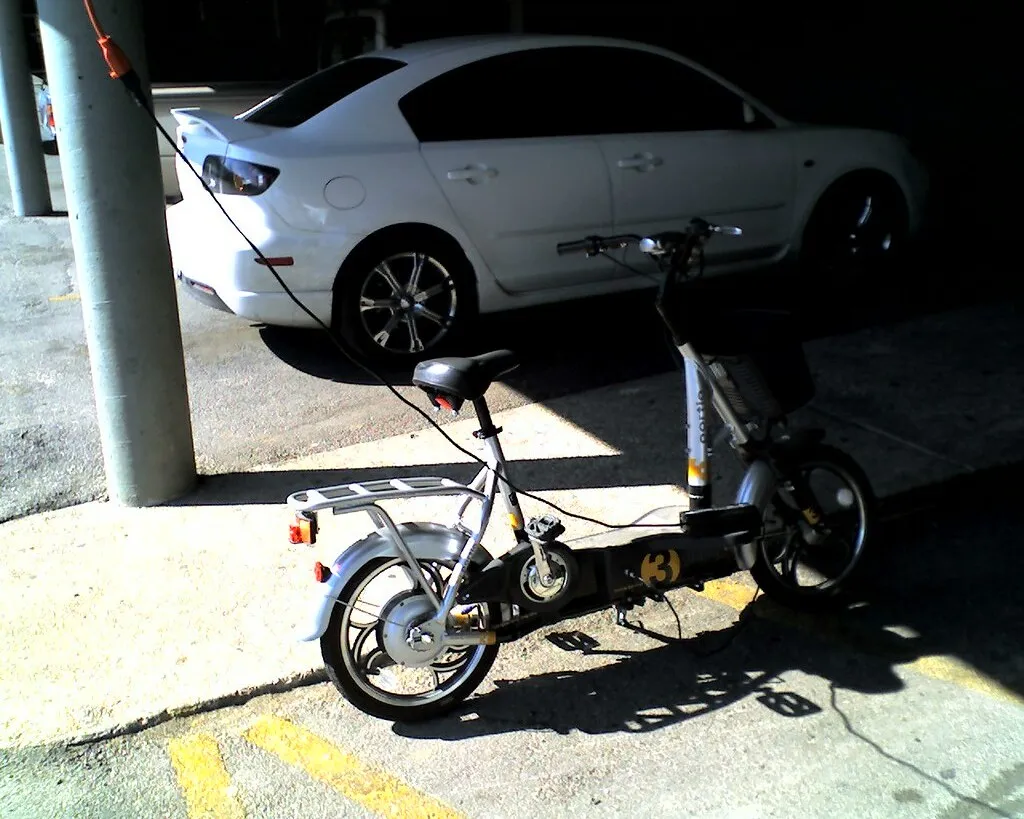
- Rooms above and beside the fire room. Hot smoke rises and follows the ceiling into hallways and up the stairs.
- Closets with the doors shut. Smoke gets around doors, and clothing soaks up odor.
- HVAC returns and filters. If the system was running, the return pulled smoke into the ducts. Change the filter and have the system checked before you turn it on again.
- Electronics in the same room. Do not power them on until they are evaluated, even if they look clean.
- Garage spaces. Many e-bikes and scooters are charged in garages, and attached garages share walls and ceilings with the house.
Keep a list of the device and charger
For the claim and for any product report, write down the device type, brand and model if you can still read them, the charger used, where it was charging and how long it had been plugged in. Photograph any labels before the fire department removes the device. If you think a consumer product caused the fire, the U.S. Consumer Product Safety Commission takes reports at SaferProducts.gov.
Frequently asked questions
Can I put out a lithium battery fire with a regular extinguisher?
USFA advises not to try to put out a lithium-ion battery fire yourself. Evacuate and call 911. These fires can reignite and release flammable gases.
Is battery fire smoke more dangerous than other smoke?
The smoke can contain compounds from the battery and burned plastics, and it is irritating to breathe. Stay out until the fire department clears the area, and use protective equipment during cleanup.
What do I do with the damaged battery?
Usually the fire department removes it. If a damaged battery or device remains, ask firefighters how to store it until it can be recycled through a hazardous waste or battery recycling program. Never put it in household trash.
Will my insurance cover an e-bike battery fire?
Fire damage to the home is often covered, but coverage for the device itself and any exclusions depend on your policy. Document the scene and ask your agent.
Sources
- USFA: Lithium-ion batteries
- USFA: Risks and response strategies for lithium-ion battery fires
- USFA: Battery fire safety
- USFA: Educating your community about lithium-ion batteries
After a battery fire
Call (484) 293-9520 24/7 or use the quote form once the fire department has cleared your home. We handle fire and smoke damage cleanup in West Chester and across Chester County.