
Chimney fire damage is often hidden. A fast, loud chimney fire is obvious, but many burn slowly inside the flue and leave cracked liners, warped dampers and smoke stains in the attic or behind a mantel. If you suspect one, stop using the fireplace or stove, have the chimney inspected before the next fire, and check nearby rooms for soot and odor.
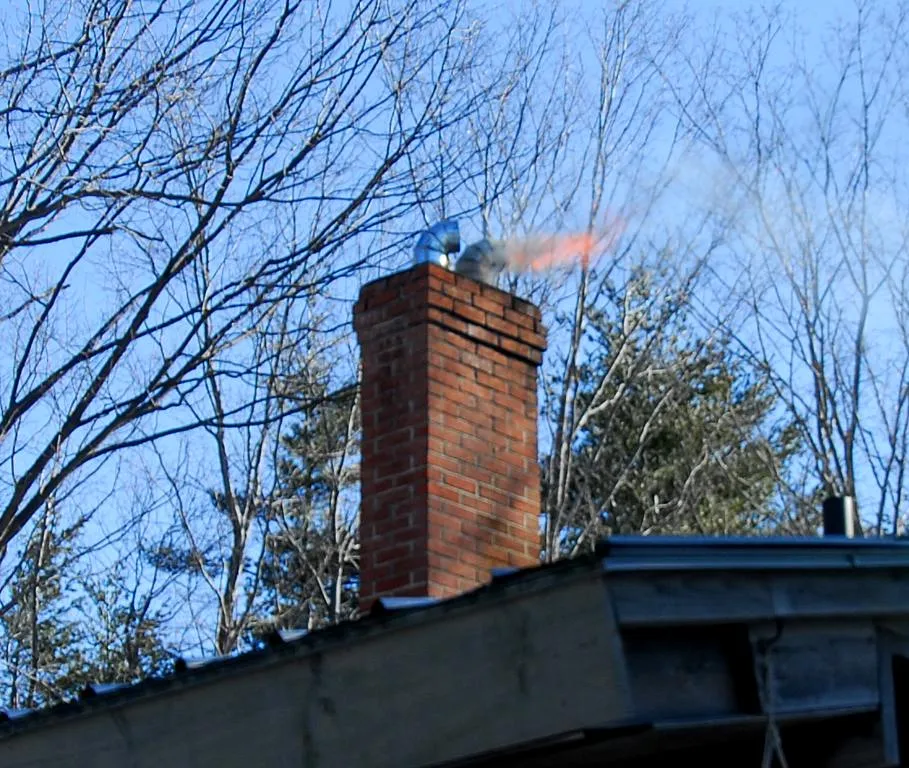
Chester Springs and the townships around it have a lot of stone farmhouses and older homes built around large fireplaces. Many have been updated with wood stoves, inserts or newer liners, and many still have original masonry. That mix makes chimney fires a real concern every heating season.
What a chimney fire actually is
Burning wood releases smoke, water vapor and unburned particles. As they rise and cool inside the flue, they condense into a deposit called creosote. Creosote can be flaky, tar-like or hard and glazed. All of it burns.
When enough builds up and a hot fire reaches it, the creosote ignites inside the chimney. Some chimney fires roar, with a sound like a freight train, flames or sparks shooting from the top, and a hot, dense smoke. Others smolder quietly and nobody in the house knows until a sweep finds the evidence.
The U.S. Fire Administration recommends having heating equipment and chimneys cleaned and inspected every year by a professional (USFA heating fire safety). Annual inspection is the single best way to catch both creosote buildup and damage from a fire you never noticed.
Signs you may have had a chimney fire
Look for these, especially if you heard an unusual rumbling or smelled strong smoke one night:
- Puffy, honeycombed creosote in the flue or on the smoke shelf. Creosote that has burned often looks expanded and porous.
- Warped metal on the damper, the spark arrestor or a metal chimney cap.
- Cracked or missing flue tiles, sometimes visible as pieces in the firebox.
- Discolored or distorted rain cap.
- Smoke stains on the outside of the chimney crown or on the roof near the stack.
- Cracks in exterior masonry that were not there before.
- Smoke odor or stains in the attic where the chimney passes through.
- Heat damage to nearby framing or roofing, which a sweep or contractor can check from the attic.
Why chimney fires damage more than the chimney
A flue liner exists to keep heat and gases inside the chimney. Once a tile liner cracks, heat can reach the wood framing that surrounds the chimney, and smoke can leak into the house through the cracks.
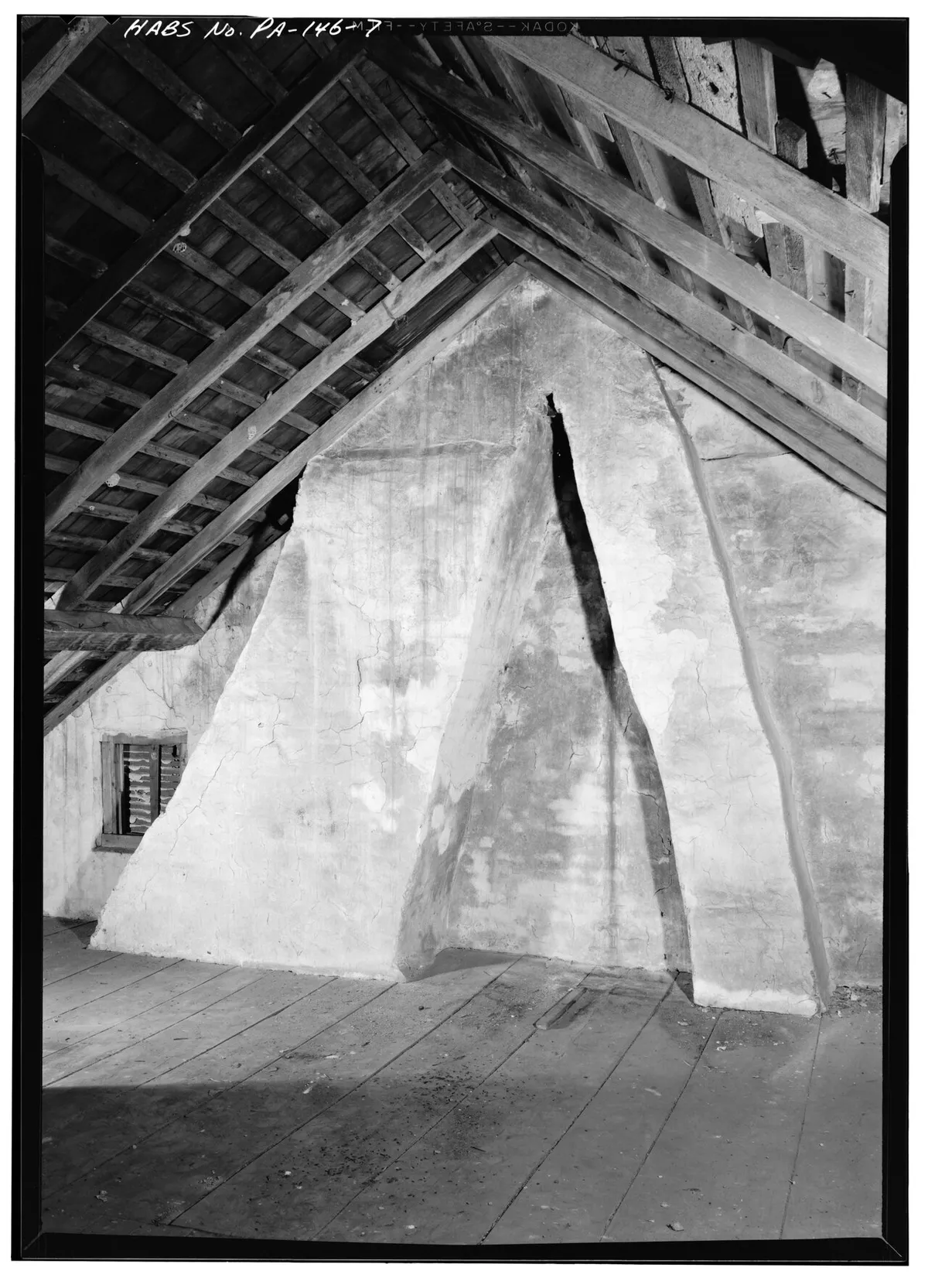
Smoke migration into walls and attics
In older homes, the chimney often runs through the center of the house. Smoke that escapes the flue can travel into the attic, the space behind plaster walls, closets that back onto the chimney, and second floor rooms. You might see a gray shadow on the ceiling near the chimney breast or notice that one bedroom smells like a campfire on humid days.
Water damage after the fire
If the fire department responded, they may have used water inside the chimney or on the roof. Water can soak into plaster, wood floors near the hearth and attic insulation. That water needs to be dried within a day or two. The EPA notes that drying wet materials within 24 to 48 hours helps prevent mold growth (EPA mold and moisture guide). In a stone house with thick walls, drying takes planning, not just a box fan.
Older stone homes and chimney fire risk
Stone and brick chimneys in very old homes were often built without a liner, or with a liner that has since deteriorated. Mortar joints erode. Some chimneys serve more than one fireplace or a stove and a furnace, which complicates inspection and repair. Many local historic homes, like the Yellow Springs Tavern in the Chester Springs historic district, show how central these big fireplaces were to the house.
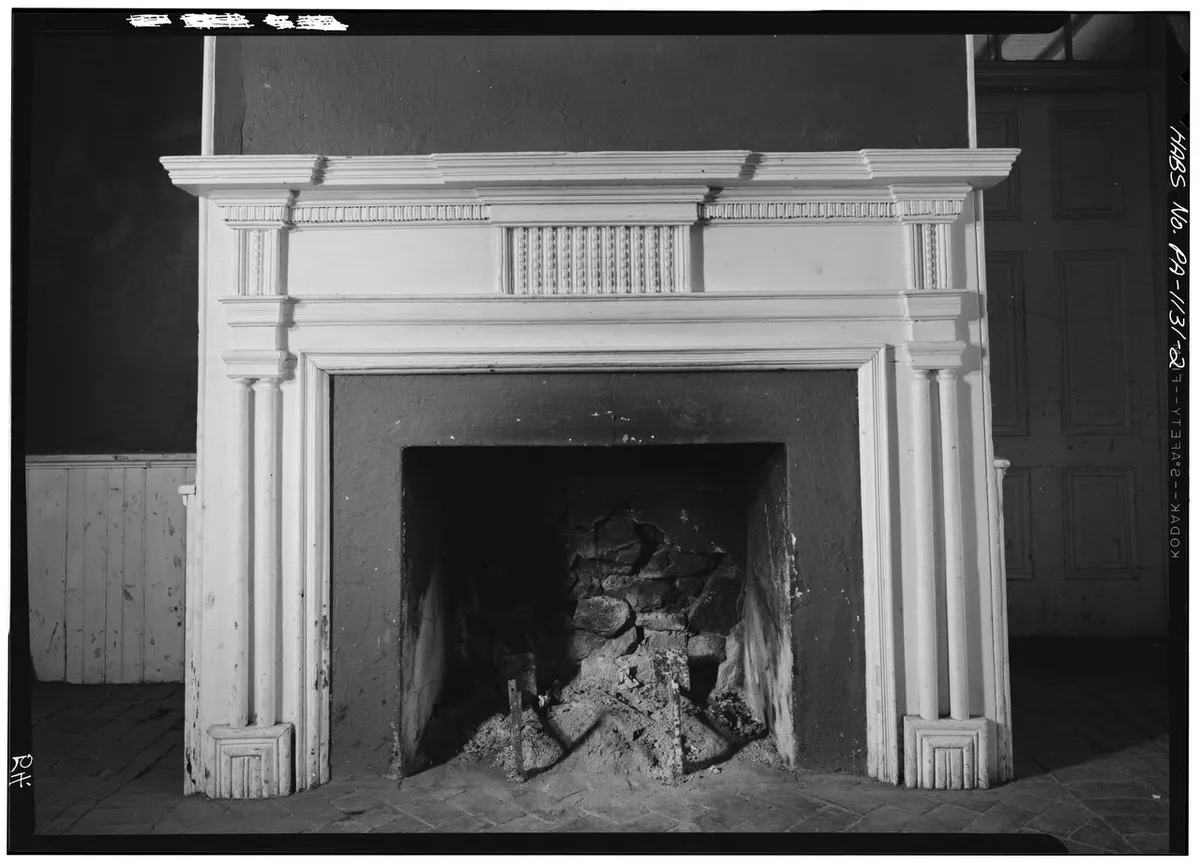
If you own an older home here, keep these points in mind:
- Know what is connected to each flue. A chimney may vent a fireplace, a wood stove and an oil burner through separate flues that share masonry.
- Ask about the liner. Clay tile, cast-in-place and stainless steel liners each have different repair options after a fire.
- Mind the wood you burn. Wet or green wood produces more smoke and creosote. Seasoned hardwood burns cleaner.
- Check the attic each fall. Look at the framing around the chimney for scorch marks, soot or water stains.
What to do right after a suspected chimney fire
- Call 911 if fire is active, if you see smoke in the attic or walls, or if anything outside the chimney is hot.
- Stop using the fireplace or stove until the system is inspected. A damaged liner can let the next fire reach the house framing.
- Close the damper once the fire is fully out and cool, to keep soot and odor from drifting into the room.
- Photograph the firebox, hearth, mantel area, nearby ceilings and the roof from the ground.
- Schedule a chimney inspection with a qualified sweep. Ask for a camera inspection of the full flue.
- Check for smoke and water damage in rooms that share walls with the chimney and in the attic.
Cleaning up smoke damage from a chimney fire
Chimney fire smoke is mostly from wood, so the residue is often drier than kitchen smoke. That makes it easier to remove with the right tools and easy to smear with the wrong ones.
- Dry cleaning first. HEPA vacuuming and dry chemical sponges lift loose soot without grinding it into plaster or paint. Our guide to soot damage cleanup covers why wiping is a mistake.
- Attic work. Soot on attic framing and insulation can keep the house smelling of smoke. Heavily affected insulation is usually removed.
- Behind the mantel. Mantels and paneling may need to come off to clean the wall behind them, especially in older homes where smoke followed gaps in the masonry.
- Odor control after source cleaning, not instead of it.
- Drying if water was used, with moisture readings until materials return to normal.
Rebuild and repair
Some chimney fires end with a cleaning and a new liner. Others need roofing, framing and plaster repairs near the chimney. If your home is more than a century old, rebuild work should respect original materials where possible. Lime-based plaster and mortar behave differently from modern products. Our building restoration team handles the interior repairs after the chimney work is done.
Frequently asked questions
Can I keep using my fireplace after a small chimney fire?
No. Stop using it until a qualified chimney professional inspects the full flue. Cracks from a short fire can let the next fire reach framing inside the walls.
How do I know if smoke got into my walls?
Common signs are a smoke smell that gets stronger in humid weather, gray shadows on ceilings near the chimney, and soot in the attic around the stack. A restoration inspection can confirm where residue traveled.
Does insurance cover chimney fire damage?
Sudden fire damage is often covered, while wear and lack of maintenance often are not. Coverage depends on your policy. Photograph everything and call your agent before repairs begin.
Will my chimney fire cause mold?
Not by itself. Mold can follow if water from firefighting or a damaged chimney cap stays in plaster, wood or insulation. Prompt drying prevents that. Our Chester Springs mold removal page explains what to watch for in cool, older basements and attics.
Sources
- U.S. Fire Administration: Heating fire safety
- EPA: A Brief Guide to Mold, Moisture and Your Home
- U.S. Fire Administration: After the Fire
Smoke from a chimney fire in your home?
If a chimney fire left soot, odor or water damage in your Chester Springs home, call (484) 293-9520 24/7 or send a quote request. We handle fire and smoke damage cleanup across Chester County.