
When a washing machine floods the laundry room, turn off both supply valves behind the washer, unplug it if you can reach the plug without standing in water, and start removing water. A burst supply hose keeps flowing until it is shut off, so speed matters. Then check walls, floors and the rooms below for water that traveled out of sight.
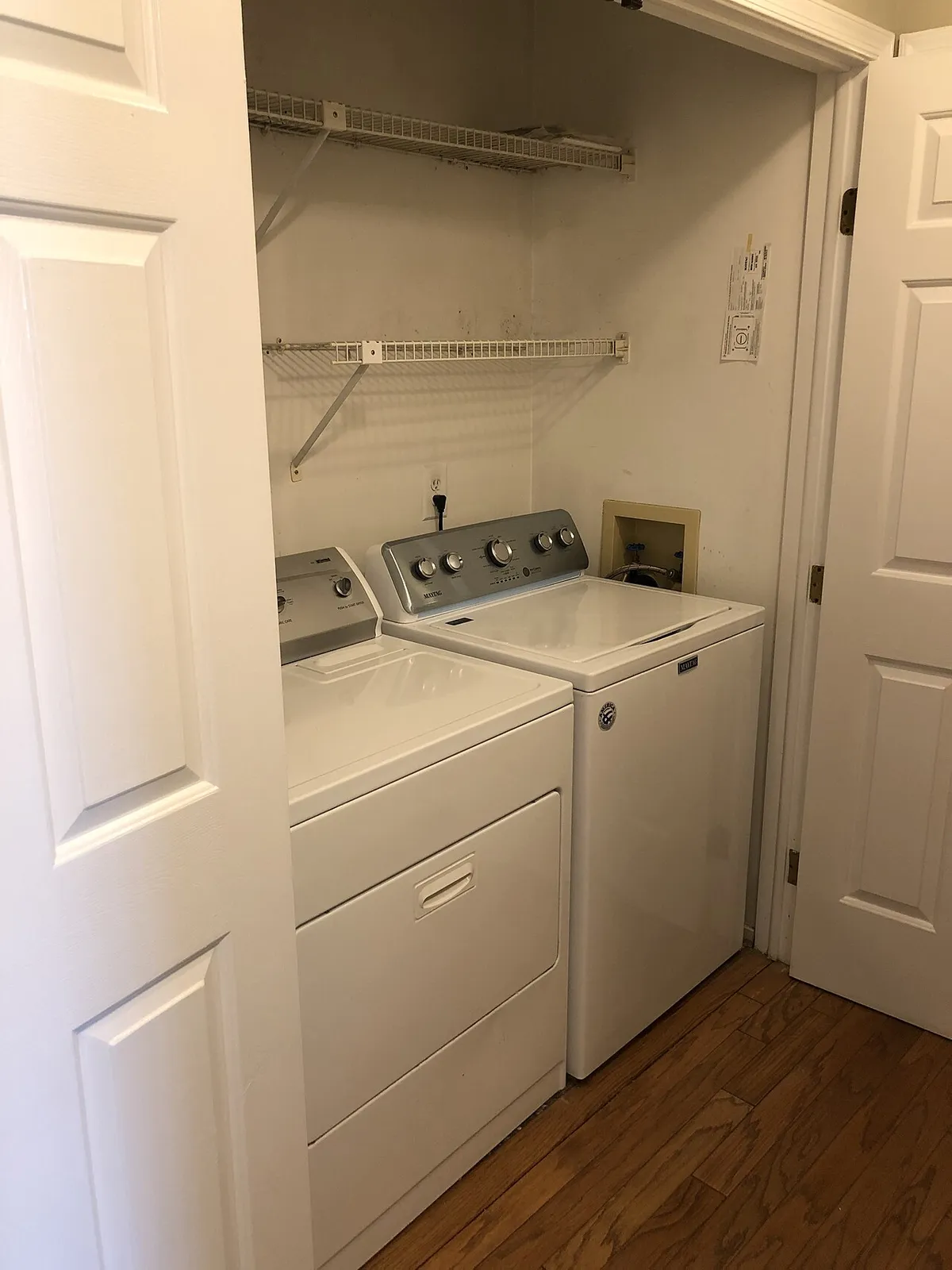
In many Coatesville homes the laundry is in a basement, an enclosed back porch or an upstairs closet. Second floor laundry is convenient, but a flood there can drop water through a ceiling into the kitchen or living room below.
Immediate steps
- Shut off water. Turn the hot and cold valves behind the washer clockwise. If they will not turn, close the main water shutoff for the house.
- Cut power safely. Turn off the breaker for the laundry circuit if water is near outlets. Do not stand in water to unplug an appliance.
- Remove water. A wet vac, mop and towels. Push water toward a floor drain if there is one.
- Move items off the floor: laundry baskets, stored boxes, rugs.
- Check below. Look at the ceiling in the room under the laundry, and the basement or crawlspace.
- Photograph the hose, the machine and all wet areas before cleanup.
Common causes
- Burst supply hose. Rubber hoses get brittle with age and can split under pressure.
- Drain hose pops out of the standpipe during the spin cycle.
- Clogged standpipe or laundry sink overflows.
- Door seal or tub leak on front-loaders.
- Overloading or excess detergent.
- Failed water inlet valve inside the machine that keeps filling.
Is washing machine water clean?
Water from a burst supply hose is clean at first. Water from the drain hose or tub has been through dirty laundry and detergent, and is usually treated as gray water. That changes how carpet and porous materials are handled. Gray water on carpet pad or drywall usually means removal rather than drying in place.
Where the water goes
- Under the washer and dryer. Pull them out to check.
- Under flooring. Vinyl, tile and laminate trap water.
- Into walls. Drywall wicks water upward. Check baseboards and the bottom of walls in the laundry room and next rooms.
- Down through the floor. Second floor laundry floods often show up as ceiling stains or drips below.
- Into the basement. Basement laundry floods reach stored items, carpet and finished walls.
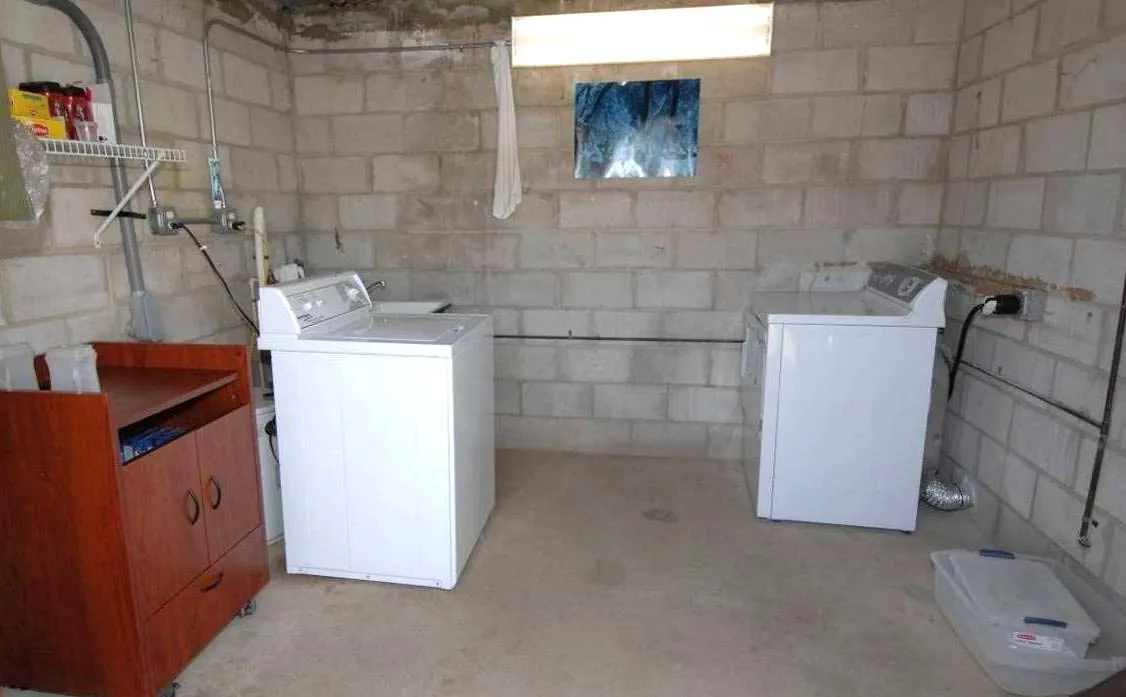
Drying the space
The EPA recommends drying wet materials within 24 to 48 hours to prevent mold growth (EPA mold and moisture guide). A laundry room flood typically needs:
- Water extraction.
- Removal of wet baseboards and, in many cases, the bottom of wet drywall.
- Drying under or removing flooring that traps water.
- Drying any ceiling below with moisture readings.
- Dehumidification and air movement for several days.
Our water damage restoration crews document moisture readings each day until the space is dry.
Dryer vent check
While the washer and dryer are pulled out, check the dryer vent. EPA lists venting clothes dryers to the outside as a basic way to control indoor moisture (EPA mold and moisture guide). A disconnected or crushed dryer vent dumps warm, moist air into the laundry room or basement. Lint buildup in the vent is also a fire hazard, so clean the vent duct while you have access.
Prevention
- Replace rubber supply hoses with braided stainless steel hoses, and replace them on the schedule the manufacturer recommends.
- Turn off supply valves when you are away for a few days.
- Install a drain pan under a second floor washer, piped to a drain if possible.
- Add a leak sensor or an automatic shutoff valve.
- Leave space behind the washer so hoses do not kink.
- Do not run the washer when you leave the house.
Older homes in Coatesville
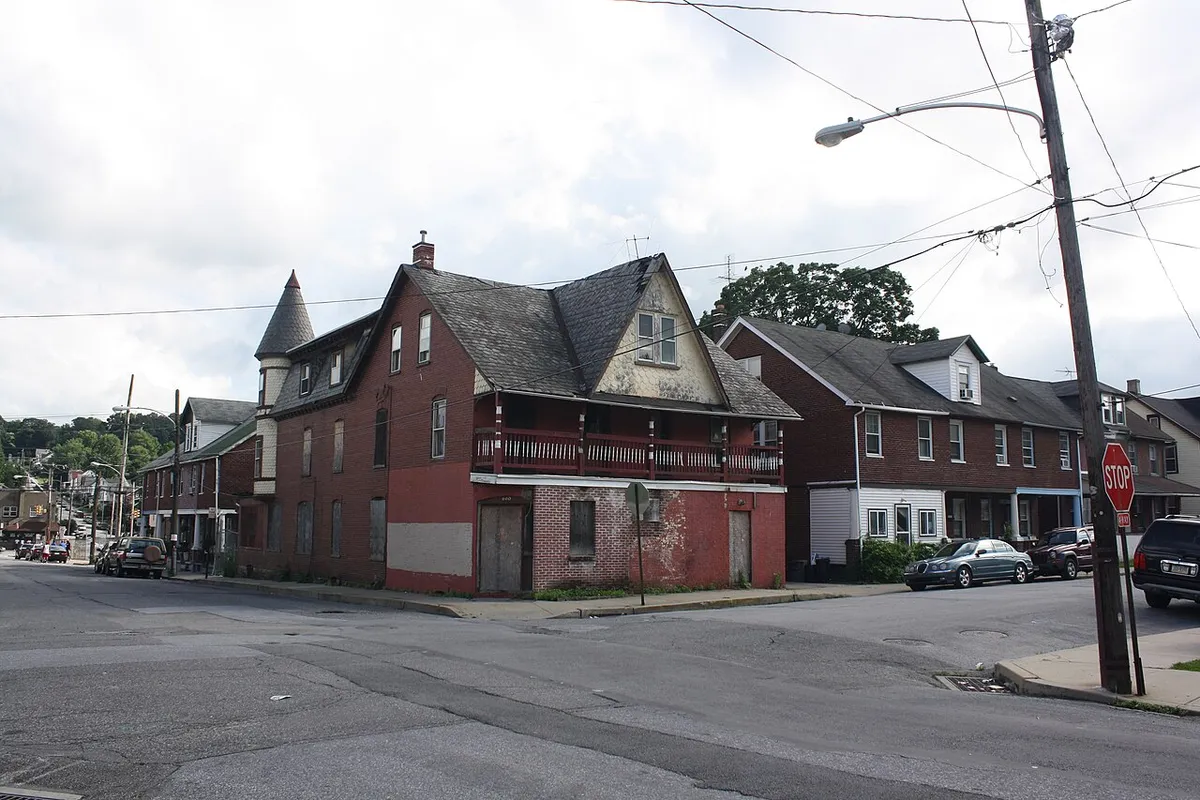
Older homes may have laundry hookups added long after the house was built, with supply lines run through tight spaces and standpipes that are too short for modern machines. If your drain hose has popped out more than once, have a plumber check the standpipe height and drain. Also look for old galvanized supply pipes, which can corrode from the inside.
Upgrading the laundry area after a flood
When the floor is open and the machines are out, it is the best time to make the laundry room more forgiving.
- Quarter-turn shutoff valves. Older round-handle valves can stick. Quarter-turn valves are easier to close in a hurry and show at a glance whether they are open.
- A washer outlet box recessed in the wall holds the valves and the drain connection neatly, so hoses are less likely to kink.
- A floor drain or pan. In basement laundries, keep the floor drain clear. Upstairs, a pan piped to a drain catches small leaks.
- Water-resistant flooring such as tile or sheet vinyl with sealed edges.
- Leak sensors under the washer and near the water heater if they share the space.
- A solid dryer vent run to the outside with as few bends as possible, using rigid or semi-rigid metal duct.
Keep a shutoff habit
Make it routine to check the hoses each time you clean behind the machines. Look for bulges, cracks and rust at the fittings. A bulging hose is a hose about to fail. Replace both hoses at the same time, because they are usually the same age.
Checking the machine before you use it again
After the water is cleaned up, it is tempting to start a load and move on. Take a few minutes first so the same leak does not happen twice in your Coatesville laundry room.
- Find the cause. Look at the hoses, the connections at the wall valves, the drain hose and the standpipe. A washer that overflowed the drain is a different problem than a burst hose.
- Replace any hose that is bulging, cracked or kinked, and check the date if it is printed on the hose.
- Make sure the drain hose is secured in the standpipe so it cannot pop out during the spin cycle.
- Check that the machine is level. A washer that walks across the floor can pull on its hoses.
- Run a short, empty cycle while you watch. Stay with the machine and look under it and behind it before you leave it alone again.
If the washer is on an upper floor, check the ceiling below after that first cycle too. If you are unsure about the machine itself, have an appliance technician look before you put it back into regular use.
Frequently asked questions
How fast does a burst washer hose leak?
A burst hose can release a large amount of water very quickly because it is connected to house water pressure. It keeps flowing until the valve is shut.
Can I keep using my washer after a flood?
Not until you know the cause. If a hose burst, replace both hoses. If the machine overfilled or leaked internally, have it checked.
Will laundry room flooring need to be replaced?
It depends on the material and how long water sat. Tile on concrete often survives. Laminate and some vinyl over wood subfloors often need to come up.
My ceiling below the laundry is stained. What now?
Check for sagging. Have the ceiling and the floor above checked with a moisture meter. Wet insulation and drywall may need removal to dry the floor cavity.
Sources
Laundry room flooded?
Call (484) 293-9520 24/7 or use the quote form. We handle water extraction and drying in Coatesville and across Chester County. See our Coatesville water damage page.