
A refrigerator water line leak usually comes from the thin supply line that feeds the ice maker and water dispenser. It drips behind or under the fridge where nobody looks, soaking the subfloor and nearby cabinets for weeks. Shut off the supply valve, pull the fridge out, dry the area and check the floor with a moisture meter before you push it back.
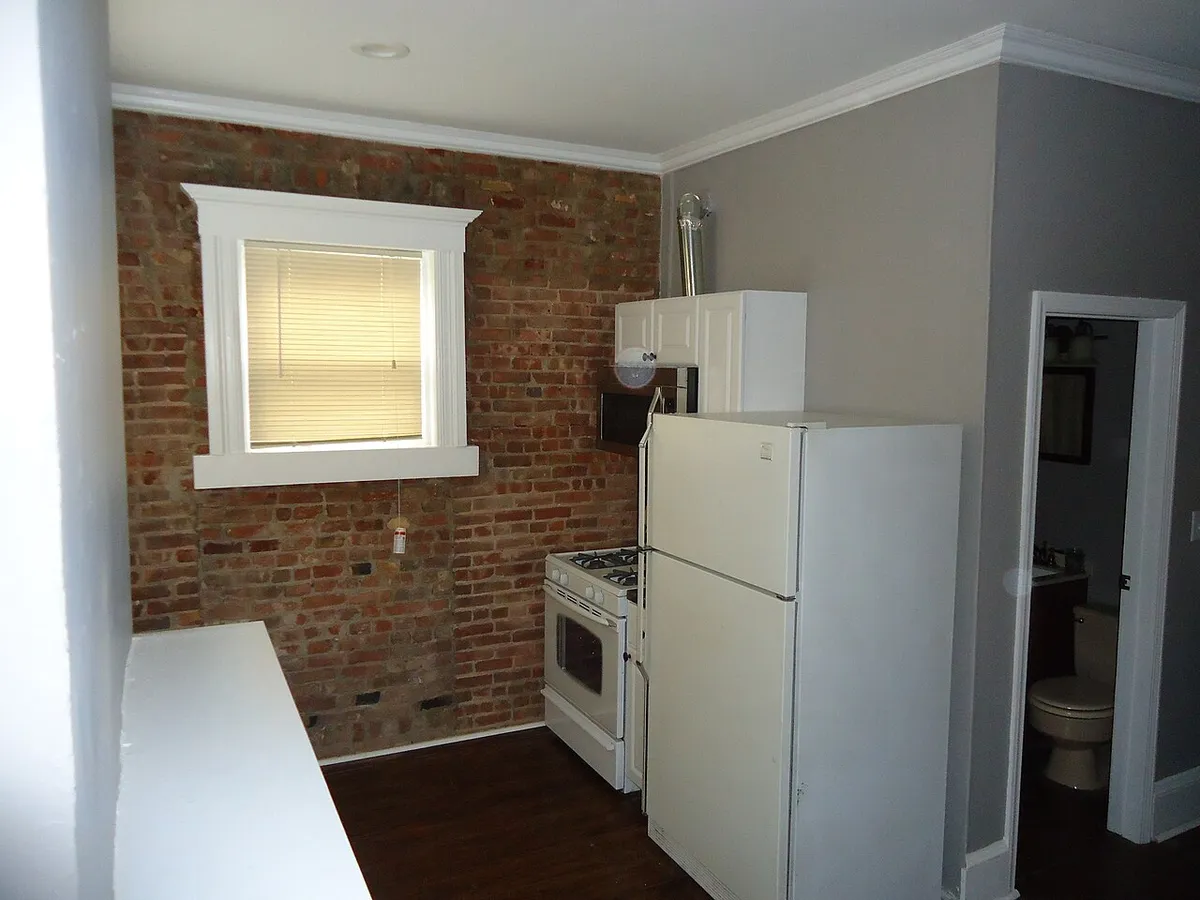
West Chester has everything from rowhouses near the borough center to newer townhome kitchens, and a lot of them have refrigerators with ice makers. The supply line often runs through a cabinet, under the floor or up from the basement, which gives the water plenty of places to hide.
Signs of a fridge water line leak
- Water or ice on the floor in front of the fridge.
- Flooring near the fridge that is cupping, lifting or stained.
- Swollen cabinet sides or toe kicks next to the fridge.
- A musty smell near the fridge.
- Low water flow from the dispenser or an ice maker that stopped making ice.
- Stains on the basement ceiling under the kitchen.
Where the leak comes from
- Plastic supply tubing. Thin plastic lines can crack, especially at bends or where the fridge was pushed back against them.
- Compression fittings at the fridge or at the shutoff valve can loosen.
- Saddle valves. Older installations sometimes use a saddle valve that clamps onto a copper pipe and pierces it. These can leak over time.
- The fridge's internal valve or line to the dispenser.
- Water filter housing inside or behind the fridge.
- Defrost drain problems that send water onto the floor, which is not a supply line issue but looks similar.
What to do
- Shut off the water. Find the valve that feeds the fridge, often under the sink, behind the fridge or in the basement below.
- Unplug the fridge before pulling it out if there is water near the outlet.
- Pull the fridge out carefully. Protect the floor, and do not kink the line.
- Find the leak. Look along the line and at each fitting.
- Wipe up and photograph the area.
- Check the floor with a moisture meter, including under the area the fridge sits on.
- Look below from the basement or crawlspace for stains or drips.
Drying and repair
The EPA recommends drying wet materials within 24 to 48 hours to prevent mold (EPA mold and moisture guide). Slow fridge leaks often go past that window before anyone notices. If flooring was wet for a long time, expect:
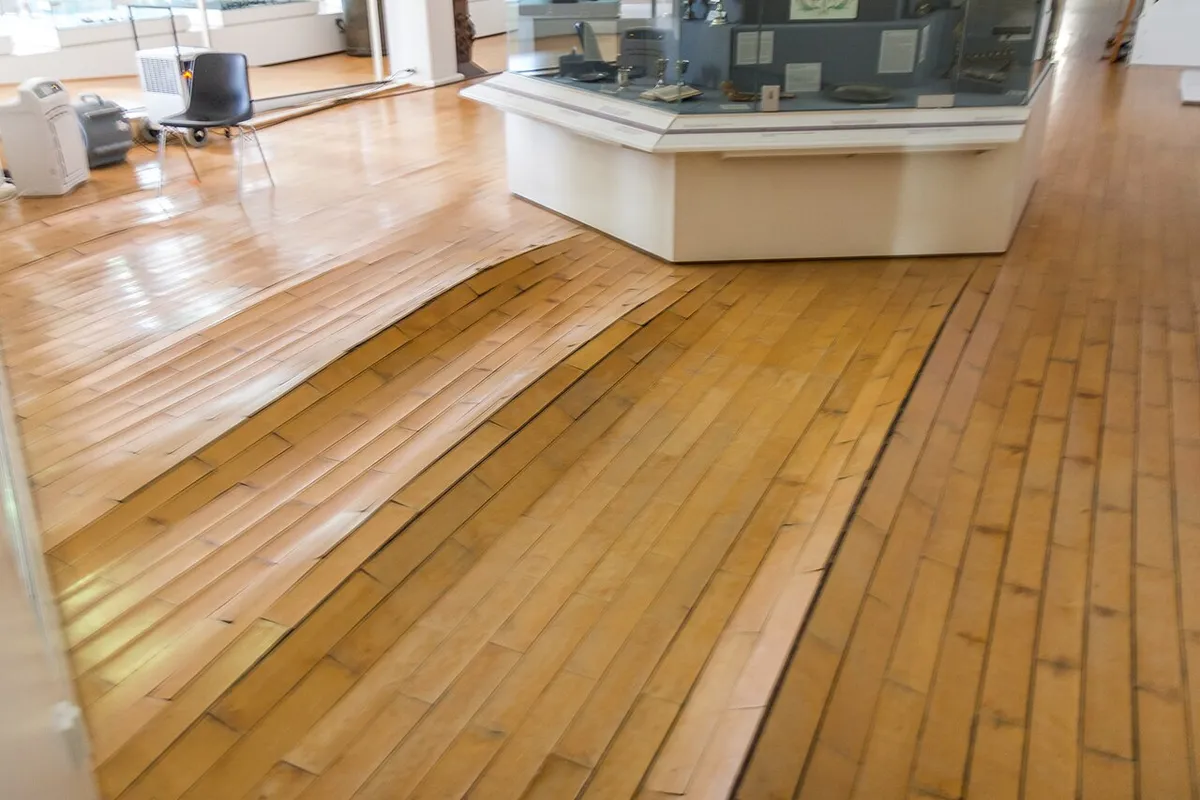
- Removal of flooring sections that trap moisture.
- Drying or replacing the subfloor.
- Checking cabinet bases and sides next to the fridge.
- Looking for mold on the subfloor, the back of cabinets and the wall behind the fridge.
EPA puts it plainly: if you clean up the mold but do not fix the water problem, the mold problem will most likely come back (EPA mold and moisture guide).
Older West Chester kitchens
Older homes often have kitchens that were remodeled several times. The fridge supply line might be tied into old copper or galvanized piping in the basement, run through a hole in the floor. When the line leaks under the floor, the first sign may be a stain on the basement ceiling or wet insulation between joists.
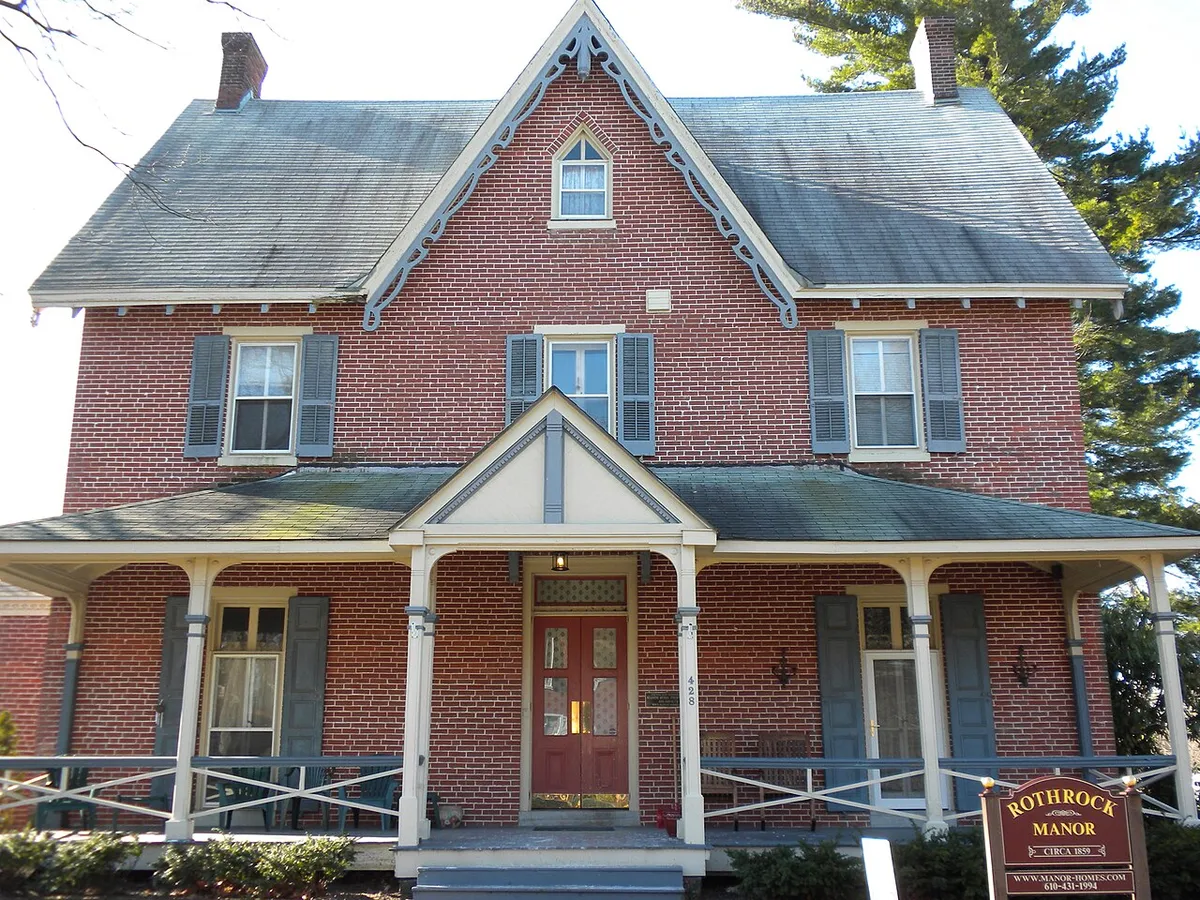
If you find mold on joists or subfloor in an older home, our mold removal team can assess it during drying.
Prevention
- Use a braided stainless steel supply line instead of thin plastic tubing.
- Replace saddle valves with a proper shutoff valve.
- Leave space behind the fridge so the line does not kink.
- Check the line whenever you pull the fridge out to clean.
- Change the water filter on schedule and check the housing for drips.
- Install a leak sensor behind or under the fridge.
Insurance considerations
Policies often handle slow, long-term leaks differently from sudden ones. A fridge line that drips for weeks may be treated as ongoing seepage. Document what you find, including the failed part, and talk to your agent.
Pulling the fridge out without making it worse
A lot of fridge line damage happens when someone pulls the fridge out quickly and kinks or snaps the line. A few precautions:
- Shut off the water first. Then the line cannot spray if it breaks.
- Protect the floor. Slide a piece of cardboard or hardboard under the front wheels. Wet flooring scratches and tears easily.
- Pull straight out, a few inches at a time, rocking gently side to side if needed.
- Watch the line as the fridge comes out. If it is short, have someone hold it so it does not stretch.
- Unplug before cleaning behind the fridge.
Where the line runs matters
Follow the supply line from the fridge to its shutoff. In some kitchens it goes into the sink cabinet. In others it goes through a hole in the floor to the basement and connects to a pipe there. Every joint and bend along that path is a possible leak point. If the line runs through a cabinet or under the floor, check those areas for stains too.
Before pushing the fridge back
Make sure the floor under and behind the fridge reads dry on a moisture meter, the line has a gentle loop with no kinks, and the shutoff valve is fully open. Then run the dispenser and check for drips again the next day.
When to call for drying help
Some fridge leaks are small enough to dry with towels and a fan. Others have soaked areas you cannot reach. A few signs point to calling a restoration crew in West Chester instead of waiting.
- The floor feels soft, spongy or uneven near the refrigerator, or seams in laminate or wood flooring have lifted.
- Water ran under cabinets, into a toe kick or along the wall behind the base cabinets.
- There is a stain, drip or bubble on the ceiling of the room below the kitchen.
- A musty smell lingers after the visible water is gone.
- You do not know how long the line was leaking. Slow leaks often go on for weeks before anyone notices.
A crew can take moisture readings to find the edge of the wet area, then dry it in place where possible. Removing only the materials that cannot be saved keeps the repair smaller. Photos and readings from that visit also support an insurance claim if you decide to file one.
Frequently asked questions
How do I know if my refrigerator water line is leaking?
Check behind and under the fridge for water, look for warped or stained flooring nearby, and watch for an ice maker that stops working. Pull the fridge out to look at the line and fittings.
Can I still use my fridge if the water line leaks?
Yes, with the water supply shut off. The fridge keeps cooling. Only the ice maker and dispenser will stop working until the line is repaired.
Is a plastic refrigerator water line bad?
Plastic lines can crack over time, especially if kinked. Many homeowners switch to braided stainless steel lines.
Will my hardwood floor be ruined?
Not always. Hardwood that was wet for a short time can often be dried. Long-term leaks may cause cupping or staining that needs repair or refinishing.
Sources
Water behind your fridge?
Call (484) 293-9520 or use the quote form. We dry floors, subfloors and cabinets after appliance leaks in West Chester. See our West Chester water damage page.